
Technology
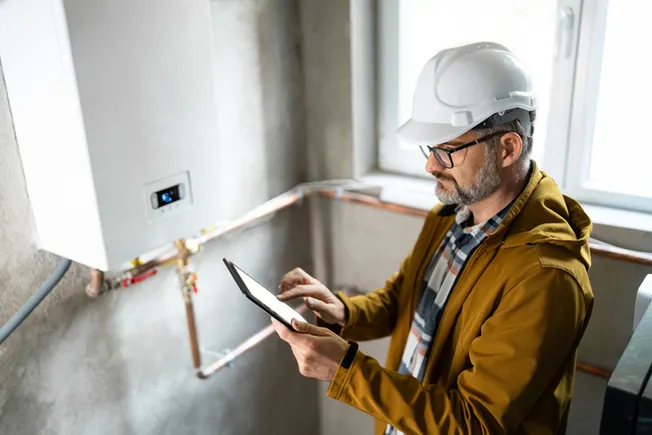
AI-enabled building control pilot shows strong results for healthcare facilities: Carrier exec
At the ASHE 2026 Health Care Facilities Innovation Conference, Carrier's Ed Carney detailed a pilot involving over 2,100 clinics, where AI-enabled building controls improved operational efficiency and underscored the importance of human oversight in AI adoption.

Facilities Dive Trendline on Top 5 stories from Facilities Dive
Seven major U.S. HVAC manufacturers have been sued for allegedly conspiring to inflate prices of commercial and residential equipment, with the lawsuit seeking class action status.
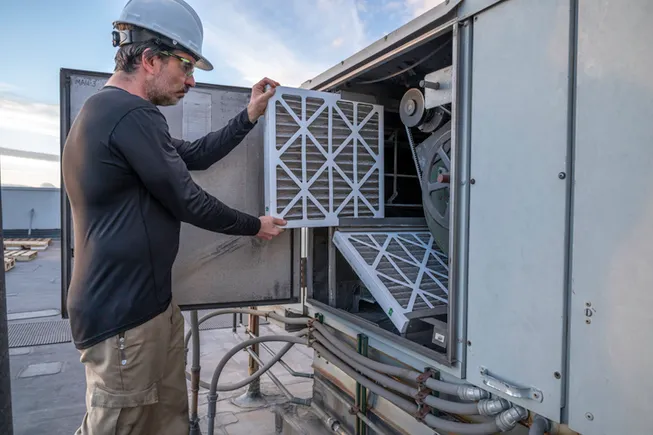
Building system controls alternative touts its affordability
Building controls startup FTL launches a wireless automation solution, claiming it can significantly reduce deployment costs, targeting small and medium-sized buildings without control systems, and offering AI-assisted work order features.

Accelsius two-phase data center cooling technology deployed at training center
Two-phase direct-to-chip liquid cooling provider Accelsius announced that its technology has been deployed at EdgeConneX's global training center, marking the first commercial application of the IR150 unit, touted as the industry's first IT rack with an integrated cooling distribution unit. Independent benchmark tests show the technology can match single-phase system performance at higher facility water temperatures, thereby saving energy.
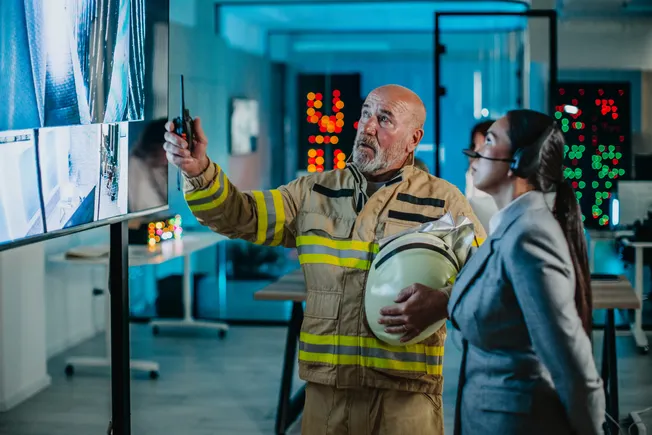
Frisco, Texas, uses mapping, digital twins to boost emergency services, building management
Since 2008, the City of Frisco, Texas has added indoor maps to municipal buildings to improve emergency response. Today, the GIS-based SAFER project covers over 200 facilities and has expanded to areas such as facility management and fire equipment tracking. The city's IT department head stated that cross-departmental collaboration is key to the system's success.
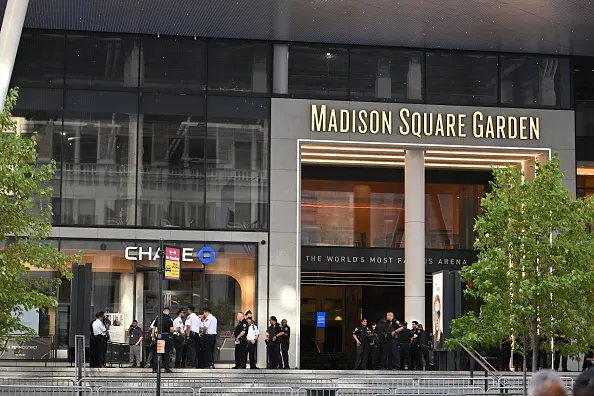
NYC bill seeks facial recognition ban at public-facing facilities
A New York City bill, supported by Mayor Zohran Mamdani, seeks to ban facial recognition technology in public-facing facilities such as restaurants, entertainment venues, and stores. The legislation would require consent for any biometric surveillance and allow individuals to sue over improper data collection. Critics point to Madison Square Garden's use of the technology as a key example of potential abuse.
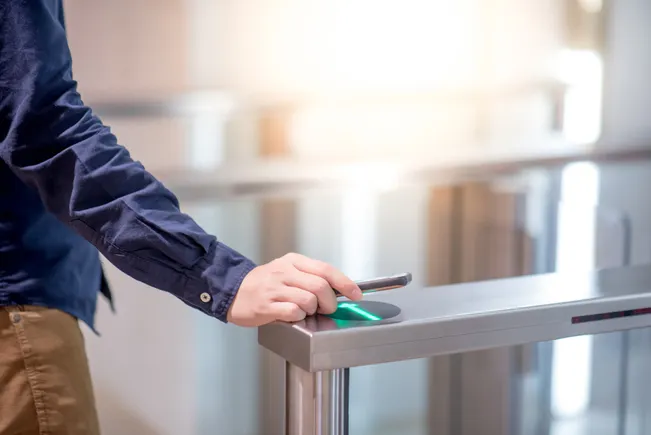
Security’s rising impact on office experience in Class A buildings: Kastle CEO
In an interview with Facilities Dive, Kastle CEO Haniel Lynn explains that security now directly influences office experience in Class A buildings, as hybrid work becomes the norm. He highlights the shift to mobile access credentials, the company's Aliro 1.0 rollout, and strategic investments including new leadership and the i2G Systems acquisition.

Hackers grow more willing to destroy, not just disrupt, OT systems
At the Black Hat USA 2025 conference, experts warned that cyberattacks targeting operational technology (OT) are shifting from data theft and ransomware to physical destruction, with Iran-linked intrusions already targeting U.S. critical infrastructure such as water systems. Due to widespread vulnerabilities in OT devices, including default passwords and inability to patch, attackers can cause severe damage without advanced AI or zero-day exploits.