
Compliance

Stakeholders square off over proposed DOE appliance program changes
The U.S. Department of Energy (DOE) proposed rules in July to revise the process for setting and testing appliance energy efficiency standards, aiming to 'permanently end mandatory requirements for appliances and equipment.' The proposal has drawn opposing views from 15 industry groups and energy efficiency advocacy organizations: the former supports making procedural rules binding documents but opposes retroactive application; the latter argues that a fixed energy savings threshold would forgo incremental efficiency gains and maintains that procedural rules should remain guidance. The public comment period ended on August 21.
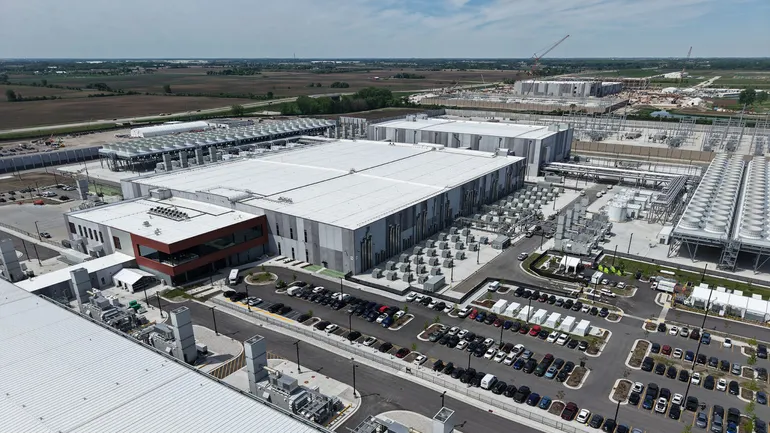
Noise lawsuit is latest in legal wave hitting data center operations
Microsoft has been sued over low-frequency noise from its data center in Mount Pleasant, Wisconsin, with plaintiffs claiming that traditional dBA monitoring cannot capture this frequency range. At least six noise lawsuits against data center operations have been filed this year, and legal experts predict such cases will become an emerging area of litigation.

California BPS proposal focuses on owner flexibility, tenant protections
The California Energy Commission (CEC) released a draft implementation strategy for Building Performance Standards (BPS) on July 7, aiming to drive energy efficiency and emissions reduction in large commercial and multifamily buildings by setting long-term goals for 2045 and five-year interim checkpoints. The draft emphasizes owner flexibility, offering alternative pathways such as portfolio compliance and timeline adjustments, and explicitly prohibits passing noncompliance penalties on to tenants, while also providing anti-displacement protections for tenants. This strategy is developed pursuant to Senate Bill 48 of 2023 (the Building Energy Savings Act) and is currently open for public comment.
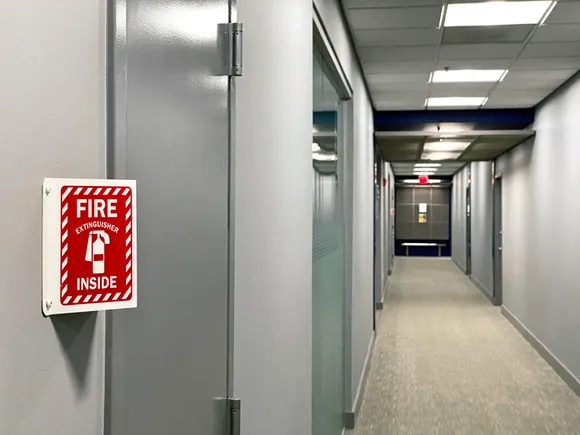
Healthcare facility code updates reflect evidence-based findings: life safety expert
At the ASHE 2026 Health Care Facilities Innovation Conference, Honeywell life safety expert Alex Schick outlined key 2024 model code updates for healthcare facilities, including new mandates for emergency responder communication systems, low-frequency fire alarms, sprinkler water-flow signals, and carbon monoxide detection. Schick noted some provisions are prescriptive and may be revised, but the codes reflect evidence-based standards aligned with modern technology.
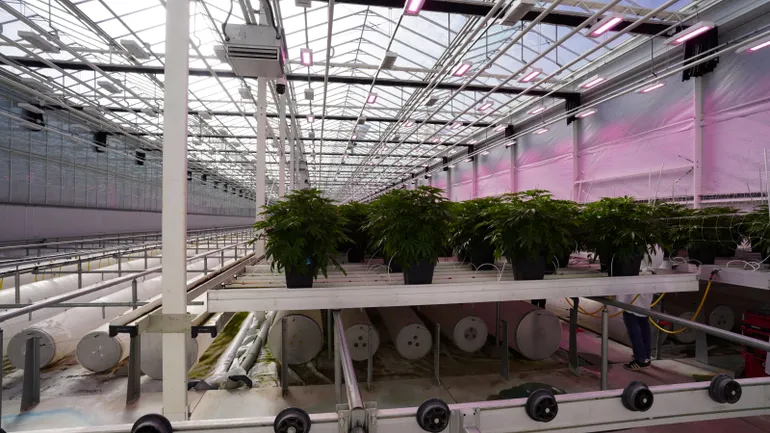
Managers tighten surveillance infrastructure as cannabis industry matures
Kevin Brown, business development director at Hanwha Vision America, explains how cannabis companies are upgrading from basic camera systems to centralized, AI-powered surveillance to meet strict state rules, prevent product diversion, and improve efficiency across multi-state operations.
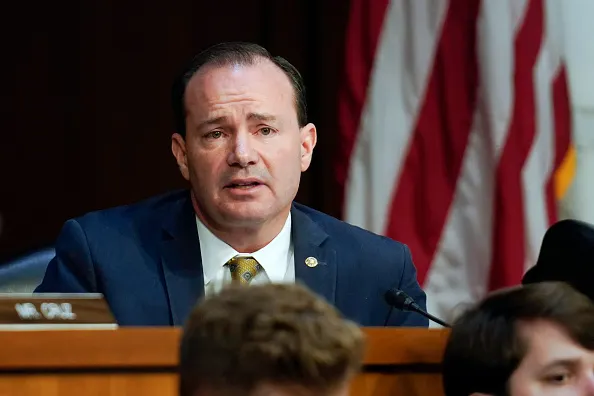
Senate bill would make it harder to impose appliance efficiency standards
U.S. Senator Mike Lee introduced the Energy Efficiency Reform Act on August 6, aiming to codify procedural rule changes proposed by the Department of Energy last month, including setting an energy savings threshold of 2 quadrillion Btu and eliminating the statutory six-year product review cycle. Supporters argue this prevents standards from excessively raising costs, while opponents warn it could render energy efficiency standards ineffective.

Almost 90% of data center building management systems communicate over insecure protocols: Claroty
An analysis of 750,000 data center assets by Claroty's Team82 revealed that 88% of building management systems (BMS) communicate via insecure protocols, and 40% run outdated firmware. Additionally, 41% of power distribution units (PDUs) and about one-third of heating, ventilation, and air conditioning (HVAC) systems are only 'one hop' away from internet-exposed systems. The research indicates that the convergence of IT and OT expands the attack surface of cyber-physical systems, allowing attackers to infiltrate critical infrastructure through indirect paths.
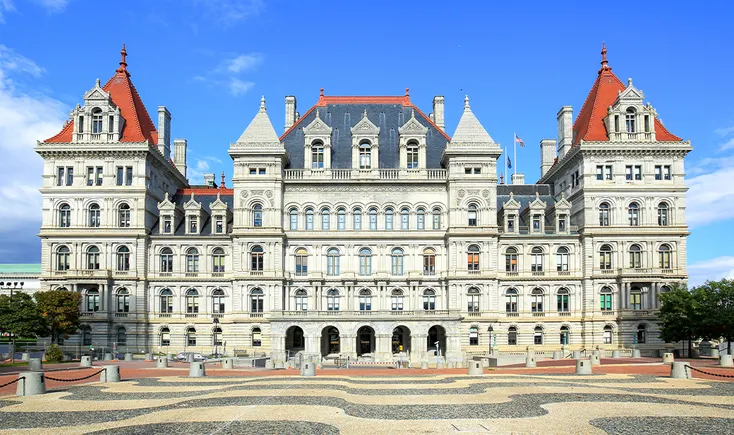
Behind the New York data center pause is legislation that could impact existing facilities
New York Governor Kathy Hochul signed an executive order on July 14, suspending environmental permits for hyperscale data centers for one year. The move aims to allow time for policy-making, but the Responsible Data Center Development Act passed by the state legislature, if signed, would affect existing facilities.

JLL adds AI to healthcare facility compliance platform
JLL announced on Wednesday that it has added artificial intelligence capabilities to the Advanced Technology Group Intelligence platform within its certification lifecycle program for healthcare facility compliance. The new features support automatic extraction of report fields, flagging of empty fields or missing documents, and aggregation of results in a compliance dashboard, aiming to reduce manual errors and transform compliance management from an administrative burden into a competitive advantage.
As K-12 schools embrace ed tech, importance of building system security increases, expert says
A 2023 report by the U.S. Cybersecurity and Infrastructure Security Agency (CISA) noted that while K-12 schools adopt advanced technologies to improve teaching efficiency, they also introduce cyber risks. Experts emphasize that building systems, as network entry points, require urgent attention to security, and facility managers should work closely with technology leaders.