
Health & Safety
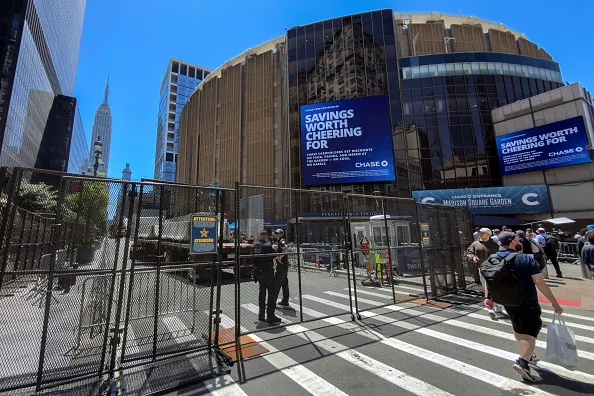
NYC biometric bill could harm building security, critics say
New York City Council Speaker Zoran Mamdani last month supported a proposal to ban biometric scanning on privacy grounds, and brought a majority of council members to support it. However, the security industry warns that the bill's scope is too broad and could place many facilities that use the technology for security and workplace management at risk of litigation, even if they already comply with existing privacy regulations.
Use daily communications to test emergency alert capabilities: K-12 tech experts
As students return to school, K-12 school technology leaders and vendors advise facility managers to test campus communication systems to ensure they function properly during emergencies. Singlewire's analysis of data from approximately 16,000 schools found that schools sent nearly 20 million notifications last year, with 8% being emergency notifications. Experts point out that the vast volume of daily communications provides a natural testing scenario for system emergency preparedness, while also warning that some security technologies may pose potential harm to students' psychological safety.
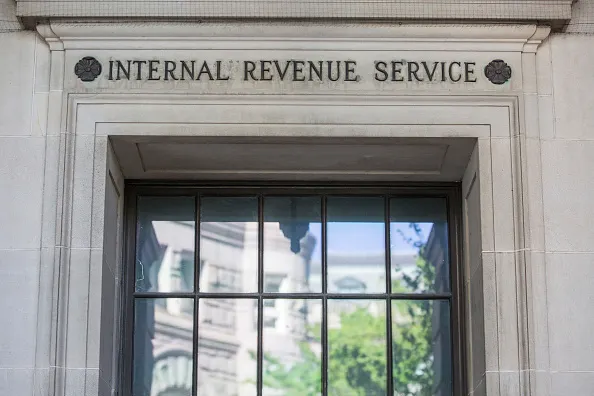
The IRS has made its facilities more secure, but a watchdog won’t disclose how
The Treasury Inspector General for Tax Administration released a report on July 29 stating that the IRS has completed hundreds of security improvements since launching security reviews of approximately 500 facilities in 2022, but the report did not disclose specific improvements and locations for security reasons. The report noted that some improvement funding had been canceled, and future funding could become an issue.
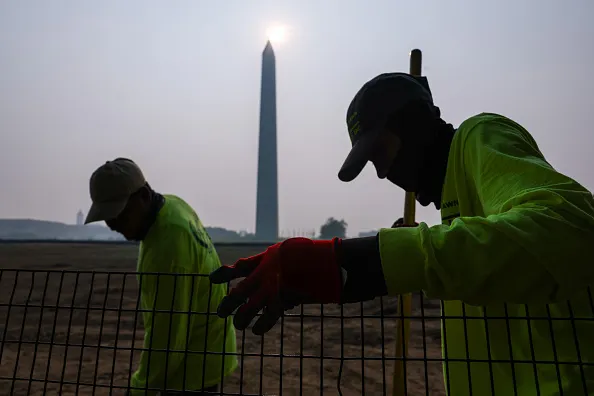
Could climate change lead to increased FMLA use? Attorneys are afraid so.
In mid-July 2026, severe air pollution hit the Midwest and Eastern United States, raising concerns about climate change intensifying extreme weather. Lawyers point out that such events may trigger employer obligations under the Family and Medical Leave Act (FMLA), although no clear upward trend in leave requests has been observed yet. However, indirect effects such as chronic illnesses, mental health issues, and family caregiving cannot be overlooked. Experts advise employers to strengthen monitoring, training, and policy adjustments.
Absent a national standard, Mayo Clinic creates its own safety policy for lithium batteries
Due to a surge in lithium battery usage and the absence of national standards, Mayo Clinic independently developed full-lifecycle safety protocols covering procurement, use, charging, storage, and disposal. Representatives shared this iterative, multi-departmental process at the ASHE Healthcare Facilities Innovation Conference, noting that current battery management faces challenges such as fragmented responsibilities.

Project to Compensate Cybersecurity Firms for Safeguarding Rural Water Utilities
At DEF CON, the Franklin project announced it will pay cybersecurity vendors to offer free monitoring and protection to rural water utilities serving under 10,000 people. Five MDR providers will participate, sharing threat intelligence via a new Water Watch Center. The initiative aims to scale support, with federal funding seen as crucial for long-term sustainability.