
Sustainability
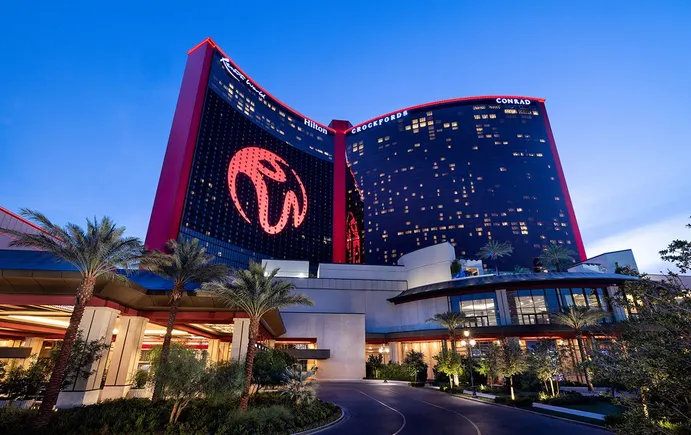
How an AI-powered system optimizes Resorts World’s central utility plant
Resorts World Las Vegas commissioned Johnson Controls to deploy an AI-driven system to optimize its central energy plant infrastructure. The system, based on Metasys building automation and OpenBlue AI solutions, achieved a 10.2% reduction in chilled water plant energy consumption and $110,000 in annual energy cost savings without replacing any equipment. This article, through an interview with Jamie Cameron, Vice President of OpenBlue at Johnson Controls, analyzes how the system works and its impact on resort operations and guest experience.
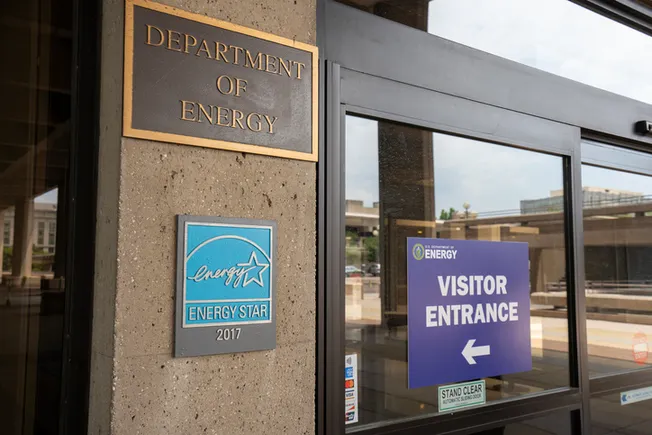
Supporters hopeful as DOE and EPA finalize Energy Star transition plan
The U.S. Department of Energy (DOE) and the Environmental Protection Agency (EPA) released the final ENERGY STAR transition plan on August 28, confirming that DOE will become the lead federal agency for the program within one year. The plan covers three major transfer workstreams—knowledge, legal, and data systems—and emphasizes securing funding and staffing. Industry organizations such as NEMA and green building initiatives expressed cautious optimism about the transition outlook but urged Congress to ensure smooth appropriation processes to avoid program disruptions.
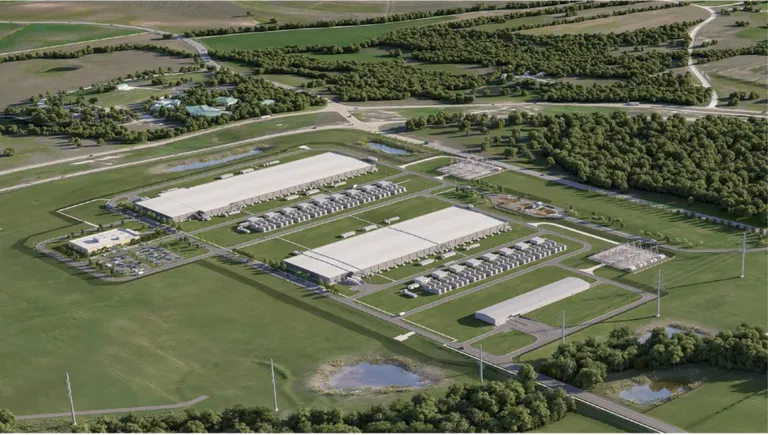
Data centers’ indirect water use is a bigger part of their water footprint than the water they use directly
可持续发展非营利组织Ceres发布报告指出,美国数据中心最显著的水足迹并非来自冷却等直接用水,而是来自为其供电所产生的间接用水。在集中了全美近半数数据中心的七个州,数据中心因电力消耗每年间接使用约3.4万亿加仑淡水,其中66%的发电用水来自中高或极高水压力地区。报告预测,到2030年间接用水量可能增至4.1至7.6万亿加仑,数据中心容量将翻倍,电力消耗或占全美总需求的9%至17%。
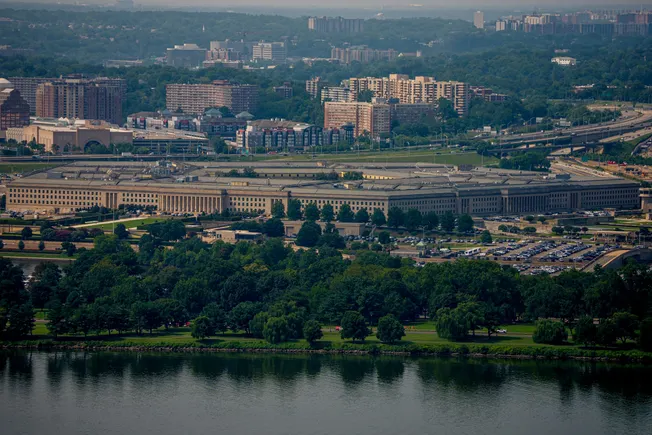
US Army selects 5 companies to deploy microreactors at military installations
The U.S. Army announced on Wednesday that it has selected five companies to deploy 1 to 20 megawatt nuclear microreactors at multiple military bases across the United States, providing resilient power for critical infrastructure and maintaining connection to the main power grid under normal conditions. The project, named 'Project Janus,' will provide milestone-based federal funding while requiring companies to bear most of the investment. The first reactors are expected to be operational by September 30, 2028.
Microsoft taps solar company Qcells to power AI infrastructure
Microsoft and Qcells are expanding their partnership, with Microsoft funding the electricity needed for data centers and Qcells responsible for developing new capacity and supplying power to Microsoft or surrounding utilities. The two are also exploring virtual power plants, integrating residential and commercial batteries to reduce peak demand. This move echoes the White House Taxpayer Protection Commitment signed by Microsoft, whose 2025 emissions rose by 25% due to data center expansion.
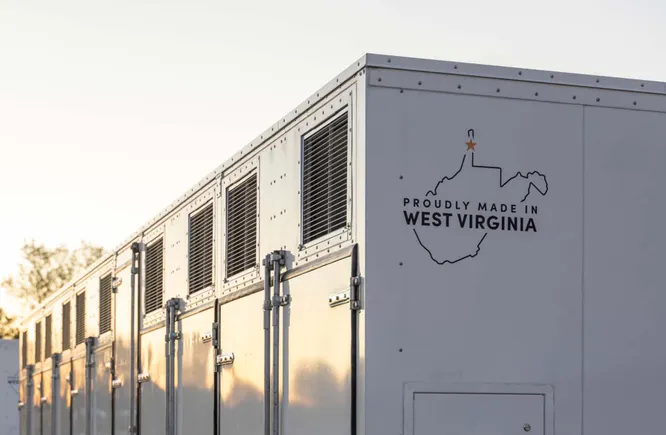
Facilities betting big on low-cost, 100-hour iron-air batteries
Battery startup Form Energy recently announced $750 million in funding to advance the commercialization of low-cost long-duration energy storage. Its iron-air batteries can discharge continuously for over 100 hours, offering significant cost advantages, but face challenges such as lower efficiency and large size. The company's projects with Google and Xcel will become the world's largest batteries.
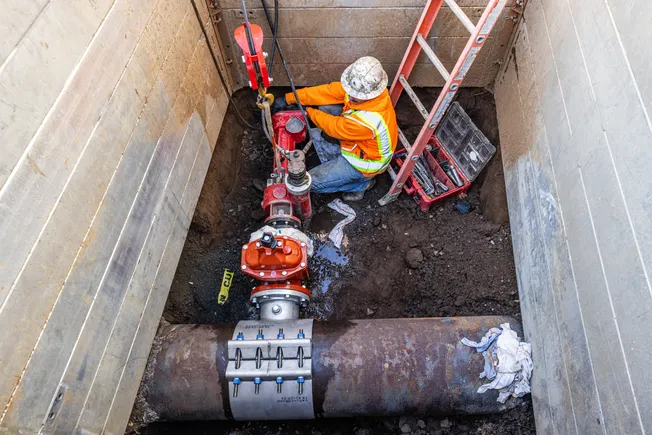
Pipes as power plants: How cities can use their water systems to generate clean energy
Cities such as Hillsboro, Beaverton, and Tualatin in Oregon have installed in-pipe hydro turbine generators in their water distribution networks, converting excess water pressure that was previously dissipated through pressure-reducing valves into clean electricity. Annual generation from such projects ranges from over 200 megawatt-hours to 426 megawatt-hours, offsetting part of the electricity used by pumping stations or public facilities, and they hold potential for integration with solar power, energy storage, and microgrids to enhance urban energy resilience.
Best Buy Marks Zero-Waste Milestone Across All Supply Chain Facilities
Best Buy has reached a key sustainability target: all 29 of its supply chain facilities are now certified as zero-waste under the TRUE program, verified by GBCI. The company highlighted waste-reduction practices, employee-led green teams, and foam repurposing as part of its broader environmental strategy.

Federal Judge Upholds Oak Park, Illinois, Ban on Gas Appliances in New Construction
A federal judge granted summary judgment to Oak Park, Illinois, upholding its 2023 ordinance banning gas appliances in new construction. The court found no conflict with the federal Energy Policy and Conservation Act, as the ordinance regulates energy type, not efficiency standards. The ruling contrasts with a 2024 settlement in Berkeley, California, and adds to a legal split that may reach the U.S. Supreme Court.
Google Signs 15-Year PPA to Offtake Full Output of RWE's 155-MW Oklahoma Solar Farm
Google and RWE announced a 15-year power purchase agreement under which Google will source the total output of the 155-MW Crooked Creek Solar project in McCurtain County, Oklahoma. Construction is expected to begin later this year, with commercial operations slated for 2028. The deal follows Google's recent investment and offtake agreement with Cypress Creek Energy for the largest U.S. solar project.