
Deep Dive
来自我们记者的行业洞察
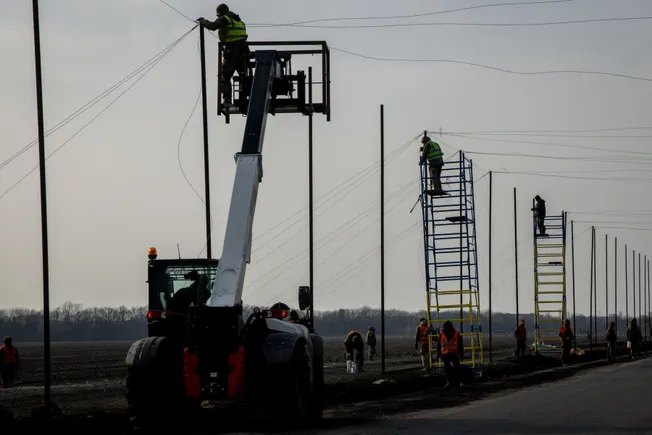
Utilities lack tools to guard power grid from drone attacks
Experts and organizations in the U.S. electric industry say grid operators urgently need new tools and regulatory authority to address the growing threat of drone attacks. In the GridEx VIII exercise report, the North American Electric Reliability Corporation (NERC) noted that asset owners have concerns about their ability to defend against unmanned aerial system attacks and called on the government to consolidate fragmented guidance documents and clarify legal interception technologies. Under current regulatory constraints, utility companies can only address drones after they land, which is often too late.
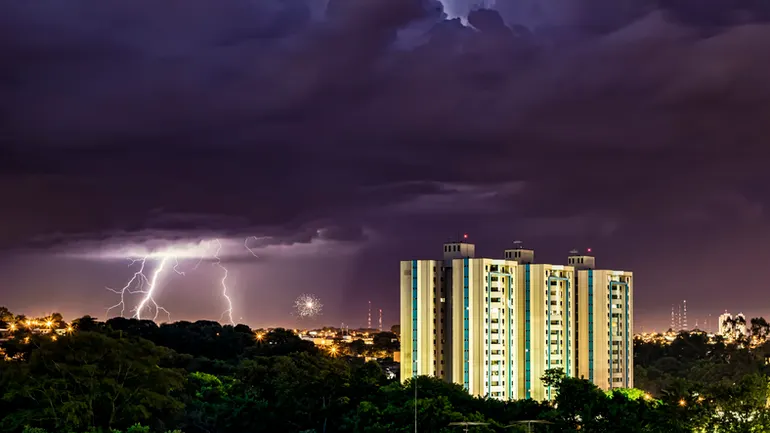
As risks multiply, forward-looking facility managers broaden their resilience planning
Facing multiple risks such as natural disasters, energy fluctuations, security incidents, and cyber threats, the facility management industry is expanding resilience planning from traditional disaster prevention to a more comprehensive scope of operational continuity.

Energy savings to push electrification forward in 2026 despite federal headwinds
Industry experts expect that, despite federal policy headwinds, facility managers in 2026 will continue to advance electrification technologies such as heat pumps, electric vehicles, renewable energy, and microgrids due to energy savings and emission reduction needs.

Inside the Aon Center: How JLL manages its home
As the property manager of Aon Center, JLL oversees operations for its headquarters and the entire building. This article explores the efforts of its engineering team in boilers, refrigeration, and energy efficiency, as well as how the experience management team enhances tenant satisfaction through amenities like Cloud Level, and introduces the application of digital tools such as Corrigo and JLL Serve in facility management.
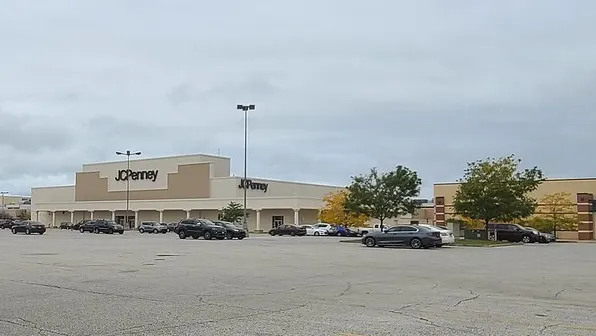
What it takes for a mall to be ‘evergreen’
Against the backdrop of the widely adopted A-to-D rating system in the shopping mall industry, the concept of 'evergreen shopping malls' is gaining attention. WPG CEO Chris Conlon has proposed a clear set of screening criteria, suggesting that some B-class malls can generate steady returns without extensive renovations. Meanwhile, recent investments in B-class malls by companies such as Dillard's, Walmart, and Simon Property Group also confirm the recovery potential of this market segment. However, some analysts have raised questions about the long-term sustainability of this model.
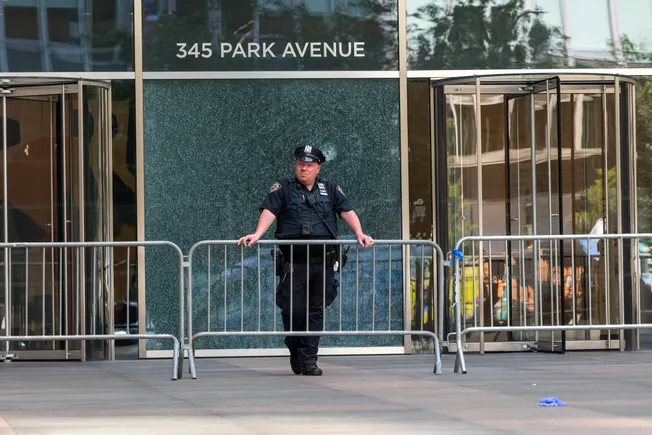
New York City workplace shooting exposes building security weaknesses
Last month's shooting at a Midtown Manhattan office building in New York, which killed four people, exposed deep-seated issues in building security regarding access control and emergency response. Although the surveillance system at 345 Park Avenue identified the gunman's threat before the attack, the warning was not effectively translated into interception actions. Security experts note that lagging access control technology updates, frequent tailgating attacks, and insufficient corporate training are the main shortcomings in current building security.

How to protect employees from heat and other climate extremes
As climate change intensifies the frequency and severity of extreme weather, employers face new challenges in protecting employees from multiple climate risks such as heat, wildfires, and hurricanes. HR Dive interviewed experts in occupational safety, labor law, and climate science, outlining a complete action framework from basic heat prevention measures to systematic climate contingency plans.

Trump’s immigration enforcement against employers has been gradual. That may soon change.
Enforcement actions by U.S. federal immigration authorities against employers are progressing gradually, but the pace is still relatively slow. Employer-side immigration attorneys point out that businesses should not let their guard down as a result, but rather anticipate the possibility of expanded scope and intensified enforcement, and proactively improve I-9 form compliance, employee training, and emergency response mechanisms.
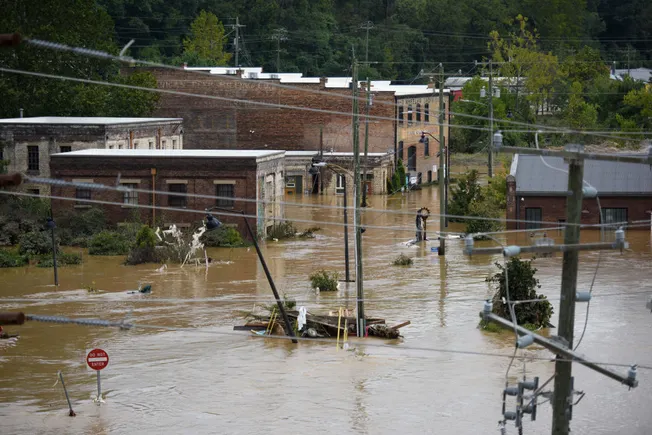
Rising waters: How manufacturers should approach flood preparation
As multiple major hurricanes in autumn destroy factories and businesses, flood risk is evolving from a distant concern into an imminent threat. Firas Saleh, Director of Product Management at Moody's, notes that flooding can occur anywhere it rains. According to FEMA data, just one inch of floodwater can cause up to $25,000 in damage. This article systematically reviews flood risk maps and assessment tools available to manufacturers, distinguishing between riverine, coastal, and rainfall-driven flooding; details the applicable scenarios and specific measures for wet and dry flood-proofing retrofits; and provides practical recommendations on insurance selection, claims details, and real-time monitoring systems to help companies maximize flood resilience within budget.

FM Technology Outlook: Will AI lead to efficiency gains in 2025?
According to a report jointly released by JLL subsidiary Building Engines and BOMA International, the facility management industry is at a key juncture in technological evolution. In 2025, AI, automation, maintenance management, energy efficiency, productivity enhancement, and space optimization will be the technology directions with the deepest impact on the industry. Although 90% of companies plan to integrate AI to assist expert work within the next five years, the report also points out that there remains a 'gap between intention and implementation' in AI adoption and energy-saving technologies.