
GSA seeks full rental income access to address $26B federal repair backlog
The U.S. General Services Administration (GSA) is requesting that Congress grant it full budget authority over its rental income and building sale proceeds, citing a $26 billion repair backlog that threatens occupant safety. The agency also seeks $1.2 billion in annual appropriations, up from roughly $620 million in recent years, to prevent the backlog from growing.
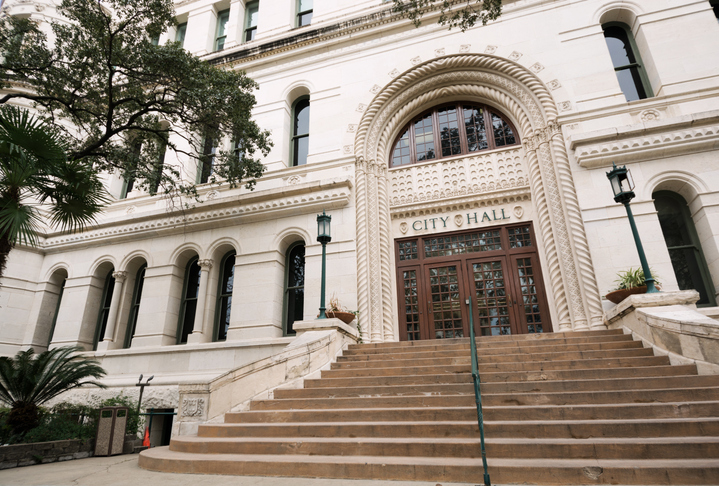

GSA seeks full access to its rental income to tackle repair backlog
Congress has been diverting money that the agency generates to close funding gaps elsewhere in the government.
• Published April 21, 2026
The General Services Administration is asking Congress to grant it budget authority equal to the income it collects from rents and building sales, so it can close the maintenance and repair gap that threatens the safety of people occupying federal buildings.
“GSA’s federally owned buildings are now, on average, over 50 years old, and many of the buildings have not undergone any significant modernizations since they were constructed,” the agency states in its fiscal year 2027 budget request, released earlier this month.
The agency reports a cumulative backlog of approximately $26 billion in building repairs, creating life-safety risks for occupants. “Backlogged repairs and alterations in federally owned facilities [are exacerbating] the risk of critical system failures [and] the safety and well-being of occupant agencies,” the document warns.
GSA operates a Federal Buildings Fund that generates billions of dollars annually from rents paid by federal agencies occupying federally owned buildings and from proceeds of building sales. The fund was established in the early 1970s to allow GSA to operate more like a private business, using its own income for maintenance and upgrades. However, since 2011, Congress has not authorized the agency to use the full amount for building needs.
“Without access to the full rental income and proceeds from property sales, GSA cannot adequately maintain its facilities to standards comparable to private sector landlords, address critical deferred maintenance backlogs, or strategically modernize federal workspaces,” the agency argues.
The fund generated nearly $15 billion in fiscal 2025, but Congress has diverted billions of dollars to offset funding gaps in other agencies. “This represents a trend in which GSA is collecting commercially equivalent rent from its occupant agencies but is precluded from reinvesting all of these funds in providing quality space and services to those rent-paying agencies,” the agency said in its budget request from last year. “Instead [the funds] were used to offset increases for other agencies.”
For fiscal 2027, GSA is requesting $1.2 billion in appropriations above what it can draw from the buildings fund for maintenance and repairs, up from roughly $620 million received in recent years. “To prevent the deferred maintenance backlog from growing, GSA conservatively needs annual appropriations to exceed $1.2 billion, significantly more than the current average of $620 million,” the agency states.
The required work includes “major repairs to malfunctioning elevators, replacement of obsolete electrical systems, updates to outdated fire alarm systems, seismic retrofits, and environmental abatement,” according to the budget request.
GSA is also asking for authority to tap into all revenue collected in the fund. “The FY 2027 Budget includes a proposal to facilitate GSA’s full access to annual revenues and collections” from the federal buildings fund, it says.
The budget proposal initiates GSA’s fiscal 2027 funding process by outlining priorities for Congress. Lawmakers will determine actual appropriations in bills for passage in the House and Senate. The current fiscal year ends Sept. 30.