
Next-Generation Technologies for Legionella Detection: From Compliance to Proactive Prevention
Legionnaires' disease is on the rise in the United States, and traditional laboratory culture testing has limitations due to delayed results. Facility managers can enhance their ability to prevent and control Legionella through more frequent rapid testing, dynamic water management plans, and ongoing education, moving from compliance to proactive control.
Editor's Note:Greg Rankin is the CEO of Hydrosense. The views expressed in this article are solely those of the author.
Legionnaires' disease can be fatal, yet in the United States, case numbers continue to rise. Data from the National Institutes of Health show that since 2000, reported cases of Legionnaires' disease haveincreased significantly. Another study estimates that between 8,000 and 18,000 people are hospitalized with the disease in the U.S. each year, with a fatality rate of 10%.
Last August, New York City experienced one of the largest outbreaks in its history, linked to contaminated water in 12 cooling towers across 10 buildings. Dozens were hospitalized, and several died. Earlier this year, cases were also reported in Harlem, as well as in Texas and Las Vegas. These are just the most high-profile cases.
Part of the problem lies in the laboratory culture testing methods that many states and localities cite in their regulations. Although it is often regarded as the "gold standard" of testing, laboratory culture testing has serious limitations, stemming in part from the time delay between testing and results. Despite these limitations, testing requirements have largely remained unchanged.
However, facility managers who want to go beyond compliance requirements and better protect occupants from this growing public health risk still have measures they can take.
Hidden in Plain Sight
Legionnaires' disease is a lung infection caused by inhaling water droplets containing Legionella bacteria. Legionella occurs naturally in rivers, ponds, and other water sources, but when it enters a building's water systems, factors such as warm water temperatures and inadequate disinfection can cause it to multiply rapidly. Common sources in buildings include cooling towers, faucets, showers, air conditioning units, and hot water tanks.
Increasingly complex water systems and rising temperatures are intensifying the risk. For facility managers, Legionella risk is typically higher in commercial settings because these water systems are larger and more complex, often incorporating cooling towers, multiple air conditioning units, and extensive piping networks. This complexity provides more opportunities for Legionella to grow and spread. If there are periods of low occupancy or downtime, water stagnation can further increase the risk, creating ideal conditions for Legionella proliferation.
Challenges to Best Practices
The widely adopted ASHRAE Standard 188 (developed by the American Society of Heating, Refrigerating and Air-Conditioning Engineers) provides a framework for implementing comprehensive water management programs to control the risk of Legionella growth and spread in building water systems, including regular monitoring and maintenance. Many states and cities also mandate their own standards, especially in areas with recent outbreaks or stricter health requirements.
Still, there is room for improvement for facility managers. One of the most severe weaknesses exposed by outbreaks like New York's is the time gap between contamination and confirmation. Traditional Legionella testing methods rely on laboratory culture, which can take up to 10 days to produce results. Yet Legionella can double within a day. In large buildings or cooling systems, this delay can mean the difference between early intervention and widespread exposure. Water samples can also be damaged during transport, potentially killing the Legionella within them and leading to false-negative results. Additionally, culture-based testing cannot detect viable but non-culturable Legionella, which, though dormant, can revive and cause infection.
Equally important, while waiting for results, buildings typically continue normal operations, which can disperse contaminated aerosols into the surrounding environment. As a result, traditional testing methods often confirm the presence of Legionella only after exposure has already occurred—by which time the opportunity for prevention has been missed.
From Compliance to Control
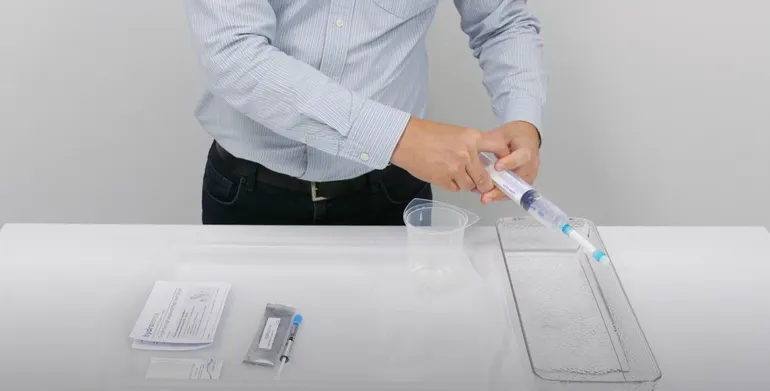
Facility managers can close these gaps by prioritizing more frequent and more robust water testing. First, use faster testing more frequently. The latest generation of rapid test kits can detect Legionella within 25 minutes and accurately detect Legionella pneumophila, the most common and potentially deadly species. Rapid detection of Legionella pneumophila enables facility managers and others responsible for water systems to respond quickly to contamination, thereby minimizing exposure and infection risks. Using rapid test kits not only helps reduce risk and exposure to building occupants but also provides additional information during risk assessment reviews.
Second, transform water management programs from static compliance documents into dynamic, living systems. As a dynamic program, it should incorporate continuous monitoring of temperature, disinfectant levels, and flow, supplemented by on-site rapid testing, to create a real-time feedback loop that drives ongoing risk reduction and system optimization.
Third, incorporate education into the program. As Legionella risks evolve, facility managers and their teams who stay informed about guidelines, testing innovations, and risk factors will be better equipped to identify vulnerabilities before they escalate. Regular training helps ensure an understanding of how Legionella behaves, where it hides, and how system design, temperature control, and maintenance practices affect bacterial growth.
As frontline defenders against Legionella, facility managers can take a leading role in occupant safety. By shifting from reactive response to proactive planning, they have the opportunity to set a higher standard in Legionella prevention and control.