
Microgrids: The Key to Enhancing Grid Resilience
In 2024, extreme weather caused over $182 billion in losses in the United States, and 95% of utility leaders are concerned about grid reliability. Microgrids, through distributed energy resources, energy storage, and intelligent control, can flexibly switch between grid-connected and island modes, providing resilience support for critical facilities, communities, and the grid. This article, using case studies and data, analyzes the value of microgrids in addressing environmental and cybersecurity threats and looks ahead to their future integration with AI.
Nicole Bulgarino is President of Federal Solutions and Utility Infrastructure at Ameresco, an energy solutions provider.
Globally, extreme weather events are posing an increasing threat to public safety by damaging critical infrastructure and causing widespread power outages. In the United States, disasters such as wildfires, hurricanes, and winter storms in 2024 caused losses exceeding $182 billion. Meanwhile, rising electricity demand from industrial activity, growing computing needs, and transportation electrification is pushing the power grid to its limits. 95% of utility leaders warn that extreme weather and demand growth will jeopardize grid reliability within the next decade, and leaders in the energy and infrastructure sectors must act immediately to build a safer, more resilient energy future.
Microgrids: A Flexible Solution to Energy Challenges
Microgrids are a flexible and cost-effective solution to the energy challenges mentioned above. They enable organizations, communities, and municipalities to better control their energy supply by generating renewable energy and storing it, utilizing distributed energy resources on the user side. Microgrids play a flexible role in interacting with the utility grid and provide energy to host users when the grid cannot supply power. By optimizing the amount and timing of users' energy consumption, microgrids play a key role in promoting energy savings and reducing overall emissions. They not only support sustainability but, more importantly, may become a key driver in securing our energy future.
Securing Energy Supply in Uncertain Times
The core feature of a microgrid is coordinating on-site power generation to supply users independently of the main utility grid. What does this mean in practice? For mission-critical facilities such as hospitals and military bases, microgrids can provide continuous, reliable power for life-saving medical care and disaster response efforts. When renewable energy is incorporated, this advantage is further amplified, as it eliminates the risk of traditional fuel supply disruptions, such as interruptible gas, or fuel deliveries affected by labor disputes, geopolitical events, or transportation disruptions caused by natural disasters.
Cyberattacks pose a significant threat to energy systems, with U.S. utility providers experiencing an average of 69 cyberattacks per week in 2024, a 70% increase from 2023. As the grid becomes more connected to cloud services and visibility expands, these risks are further exacerbated, creating more exploitable vulnerabilities for attackers.
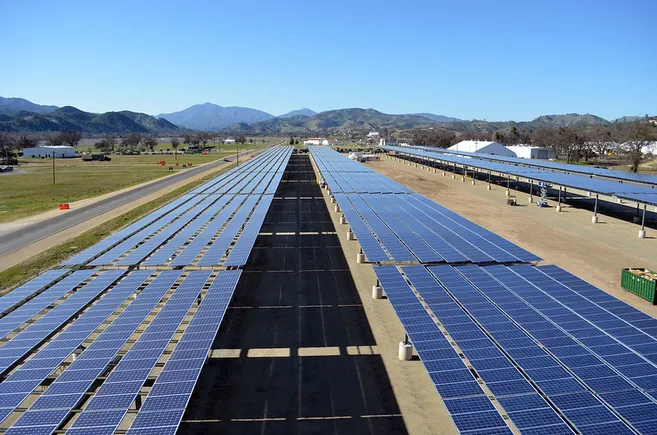
Microgrids can mitigate these environmental and cybersecurity threats in two key ways. First, when a microgrid is connected to the utility grid, it can integrate with renewable technologies such as solar arrays, diversifying energy sources, and energy is typically located closer to critical loads than central utility plants. Second, when a local utility failure occurs and the microgrid isolates from the grid (i.e., operates in "island" mode), microgrids equipped with battery energy storage systems can provide stable, continuous power. This inherent adaptability of microgrids to both grid-connected and off-grid operation enables customers and communities to quickly adapt to disruptions and maintain daily life during broader grid failures.
Driving Real Impact and Overcoming Challenges
For communities affected by environmental instability and energy insecurity, microgrids help utilities and federal sectors reduce the burden on the traditional grid while providing reliable power to surrounding areas.
A notable example is the Marine Corps Recruit Depot (MCRD) at Parris Island, South Carolina. As one of two recruit training facilities, MCRD PI's mission continuity and associated energy needs are critical to maintaining defense readiness and emergency and rescue operations. As the Marine Corps' most comprehensive energy efficiency project, MCRD underwent significant upgrades, including the installation of a microgrid system that coordinates and schedules on-site combined heat and power and backup generation, as well as on-site battery storage and solar generation. Each asset has unique capabilities and limitations, and the installed microgrid system effectively translates the site's energy needs into real-time capabilities for each resource.
A Smart Investment in Utilities
With integrated advanced controls and scalable design, microgrids offer a cost-effective way to expand the capabilities of traditional utilities, optimize power quality, provide short-term or permanent solutions for load growth, and offer more options during system emergencies. On the island of Oahu in Hawaii, this capability expansion is transformative, as 44% of Hawaiian households face the challenge of rising living costs. By expanding Hawaiian Electric's energy mix to include renewable energy and distributed generation, microgrids reduce reliance on traditional fuel sources that carry high financial and environmental costs. The dividends benefit both utility providers and consumers.
Looking ahead, as artificial intelligence raises the bar for innovation, utility providers are eager to leverage new tools to maximize returns on energy efficiency and renewable energy investments. Microgrids are prime candidates for AI-driven enhancements, such as advanced demand forecasting and predictive analytics, to optimize performance and emergency preparedness. Clean technology developers with microgrid expertise can deliver next-generation energy solutions, unlock new value, and build intelligent, adaptable, and resilient systems.
Looking Toward the Energy Future
This year is a defining moment for energy efficiency and renewable energy, with federal actions prioritizing domestic production, affordability, and accessibility. Flexible technologies like microgrids will bridge the gap between economic growth and sustainable innovation. In an evolving domestic and geopolitical landscape, microgrids offer a reliable, cost-effective energy solution—driving the nation toward energy independence and security for years to come.