
Leveraging intelligent cleaning technology to boost building operational efficiency
First-generation intelligent cleaning technologies (robot vacuums, air quality sensors, predictive maintenance) have transformed facility management, but their limitations are increasingly evident amid usage fluctuations caused by hybrid work. The combination of AI and thermal sensing can provide anonymous, real-time space occupancy insights, helping optimize cleaning schedules, adjust office layouts, and balance energy consumption, thereby extending the return on intelligent cleaning investments and enhancing commercial real estate value.
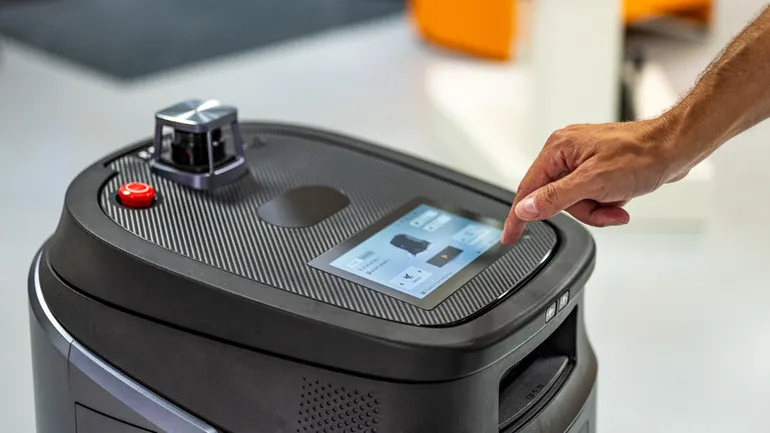
Just as smart cleaning technologyhas reshapedthe facilities management industry, artificial intelligence (AI) is bringing new ways to maximize operational efficiency, optimize cleaning processes, and enhance building sustainability. The hallmark achievements of the first generation of smart cleaning technology include robotic vacuum cleaners, air quality sensors, and predictive maintenance schedules. To this day, these innovations continue to create value.

However, as AI and other technologies evolve, the limitations of first-generation smart cleaning solutions are gradually becoming apparent.
For example, when robotic vacuum cleaners operate on preset schedules and fixed cleaning paths, if those paths include areas that are actually unused, it leads to unnecessary wear and tear on the robots.
Similarly, for spaces that are used less frequently but suddenly experience surges in foot traffic and occupancy, air quality sensors and predictive maintenance schedules may be thrown off.
Under hybrid work models, these challenges are becoming increasingly common. For example, a quarterly all-hands meeting at headquarters may overload HVAC, electrical, and plumbing systems and increase the risk of safety hazards.
Large gatherings can also test whether existing spatial layouts support team breakout discussions and one-on-one meetings—or expose their shortcomings. Additionally, surges in usage can accelerate furniture wear and reveal low utilization of supporting amenities, especially when the original layout no longer matches employees' actual needs.
Arguably, it is these limitations that may undermine the return on investment (ROI) of smart cleaning technology. But AI has the ability to extend the lifecycle of smart cleaning investments.
Extending Value: From "Scheduled Cleaning" to "On-Demand Response"
In facilities such as corporate offices, corporate campuses, and university campuses, AI is being used to gain a deeper understanding of how people use spaces. For example, AI combined with thermal sensing technology can provide insights into space occupancy and foot traffic density. By analyzing the body heat of people gathering in corridors, the system can infer the frequency of impromptu meetings and group discussions among colleagues.
Going further, AI can also determine whether office layouts are conducive to productivity. A Fortune 500 company once discovered that noise levels in an open-plan office forced employees to book meeting rooms for focused individual work. This not only disrupted employees' workflows but also increased the building's carbon footprint because the meeting room's HVAC system was set for 12 people when only one was using it.
When employers, facility managers, and property owners use AI to gain real insights into office space usage, they can make smarter business decisions regarding hybrid work scheduling, optimal office layouts, or ideal locations for all-hands meetings. This in turn helps transform offices into places employees want to visit regularly.
In extending the lifespan of smart cleaning technology, AI insights can be applied in multiple ways. It can help determine optimal cleaning schedules and provide information on peak usage hours to balance energy consumption. These AI-driven insights can also be integrated with other data sources such as booking systems and real estate technology (proptech) platforms for resource and property management. Combining anonymous behavioral insights from office spaces with other critical facility data offers a fresh perspective on building operations.
Thermal Sensors: Smart Insights with Privacy Protection
When using AI to capture insights about office space usage, privacy concerns cannot be avoided. Reports of employers monitoring employee productivity through keystroke logging, email, or phone surveillance are too common to ignore. If tenants, employees, and facility managers want to leverage the latest AI to better understand workforce behavior in office spaces, they should consider adopting thermal sensor-based technology.
Such sensors detect and measure temperature, converting data into information that AI can interpret. Since thermal sensors do not include cameras, they can collect data without capturing personally identifiable information.
Decisions based on such data are driven by aggregated behavior. These behaviors reflect the needs of the majority of employees and embody corporate culture.
Technology companies are gradually recognizing that buildings themselves are like a vast, underutilized user interface with the potential to anonymously capture insights that benefit people. As smart cleaning products, building operations technology, and AI continue to advance, the value of commercial real estate is expected to rise further—because operators are leveraging this new data source to improve tenant experiences.