
Indoor air quality is changing: how facility managers can respond and improve
As Canada's wildfire season sets historical records, the impact of outdoor air pollution on indoor environments is increasingly significant. This article, written by Tom Kennedy, President of TSI Incorporated, explores how facility managers can address pollutants such as smoke, particulate matter, and VOCs by monitoring indoor and outdoor air quality and optimizing ventilation and filtration systems, creating a safe and healthy indoor environment for occupants.
The following is a guest article by Tom Kennedy, President of TSI Incorporated. The company designs and manufactures instruments for measuring air quality, biological hazards, and aerosol science. Kennedy holds a PhD in Electronic Engineering.
We are accustomed to enjoying clean air in most environments and instinctively recognize the dangers of smoke, haze, mist, and suspended particulate matter. Canada is experiencing its worst wildfire season on record, with millions of acres already burned and no sign of the fires abating. These wildfires far exceed California's record-breaking 2020 wildfire season, which burned over 4 million acres.
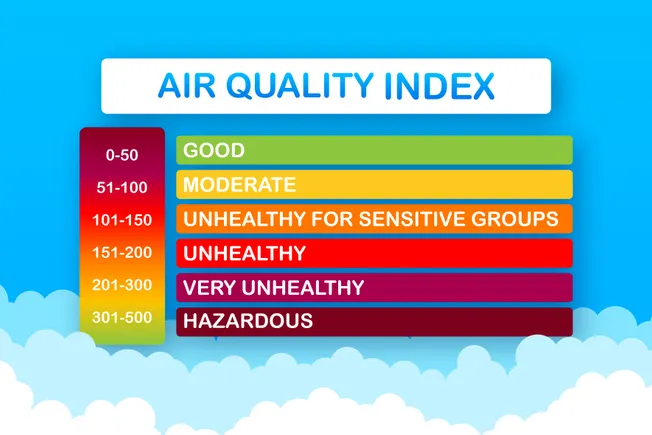
The scale of Canada's wildfires is keenly felt by residents of the northern United States. Haze, smoke, and particulate matter obscure normal visibility. Carbon monoxide, carbon dioxide, and fine particulate matter in the smoke can irritate the lungs and eyes. These pollutants are especially concerning for children and for older adults with heart disease, asthma, or other chronic conditions.
When outdoor air quality is deemed unhealthy or even hazardous, people are advised to wear respiratory protection masks or stay indoors. But poor outdoor air quality can also affect indoor air. Without effective HVAC or filtration systems, indoor environments may not provide adequate protection. Outdoor air quality should be monitored and used as an input parameter for controlling the exchange of fresh air in buildings. Bringing smoke and haze into a building runs counter to the goal of a healthy indoor environment.
Why is air quality a critical measurement?
Beyond the acute issues of wildfires and smoke, indoor air quality can be compromised by a variety of sources, including occupants (who produce CO2), dust, particulate matter, and volatile organic compounds (VOCs)—such as formaldehyde released from carpets and other building materials. Cleaning products also add VOCs. Other irritants, especially ozone and airborne particulate matter, can cause short-term and long-term health effects. Elevated concentrations of these pollutants can reduce productivity.

For people with certain health conditions, the adverse consequences of poor indoor air quality can be quite serious. Individuals with lung diseases such as asthma or emphysema, adults over 65, and those with cardiovascular disease face a significantly higher risk of breathing difficulties, worsening of existing conditions, or even hospitalization when exposed to poor air quality. Infants, young children, and low-income groups who are vulnerable due to limited access to healthcare are especially susceptible to the effects of prolonged exposure to poor air quality, which can lead toadverse health outcomes。
Even ordinary people without any known high-risk health conditions can be affected by poor air quality—coughing, difficulty breathing, burning or itchy eyes are common and often immediate symptoms.Heart disease, lung cancer, and respiratory diseasesare long-term effects that can often be directly attributed to exposure to poor air quality.
Building owners and facility managers cannot control outdoor air quality, but to maintain a safe, healthy, and efficient indoor environment, continuous monitoring of indoor and outdoor air quality is a prerequisite for maintaining a healthy indoor environment. The adage "What gets measured gets managed" is key to a healthy indoor environment.
How can you tell if your indoor air is safer and healthier?
Office and building managers should monitor indoor environmental quality (IEQ) to provide comprehensive, healthier solutions for indoor spaces—many owners and tenants already expect their facilities to have indoor air quality monitoring and improvement capabilities. Maintaining safe air quality levels can significantly improve occupant health and comfort, and can even help reduce absenteeism in workplaces and schools.
When businesses consider improving the overall comfort of the work environment, current practices now place indoor air quality on par with acoustics, lighting, and ergonomics, aiming to provide indoor spaces that may enhance efficiency and productivity while creating a healthier environment. Achieving the right balance of "good air in, bad air out" requires the right tools, guidance, and measurements. But before facility managers make adjustments to improve air quality, they must first know what to monitor and measure.
Appropriate and continuous indoor air quality monitoring is essential for determining IAQ status, with measurements typically including temperature, humidity, particulate matter, and gases. Survey instruments can also measure airflow in ducts and ventilation areas to determine the proportion of outdoor air entering the indoor space. With this data, facility managers can take appropriate actions to ensure "good air in, bad air out" through continuous monitoring and measurement, and confirm whether the IEQ measures implemented have been effective.
While a one-time IAQ survey is essential for establishing a baseline, it is merely a snapshot in time of an ever-changing environment. For example, IAQ measurements vary with outdoor air, the number of people in the building at specific times, and activities within the building. Continuous measurement is essential to truly understand the full IAQ picture.
With the right data in hand, facility managers can take a variety of mitigation measures to improve IAQ. Based on air quality survey results and continuous data, indoor air can be diluted by increasing outdoor air; particulate matter can be reduced through filtration; and ventilation or even physical barriers can be used to isolate problems and problem areas.
Facilities must be safe for the people within them. This includes everything from clearly marked and easily accessible emergency exits to indoor air quality. Changing climate conditions and predictions of future pandemics make safe indoor air an urgent need and action item for facility managers today. Accurate and continuous measurements provide data that can both reassure employees that they are breathing healthier, safer indoor air and provide the basis for necessary HVAC improvements.
Air quality is becoming a key metric for building owners, facility managers, and occupants, and this demand will only grow in the future. Create a safe, comfortable indoor environment now to prepare for future air quality success.