
Opinion
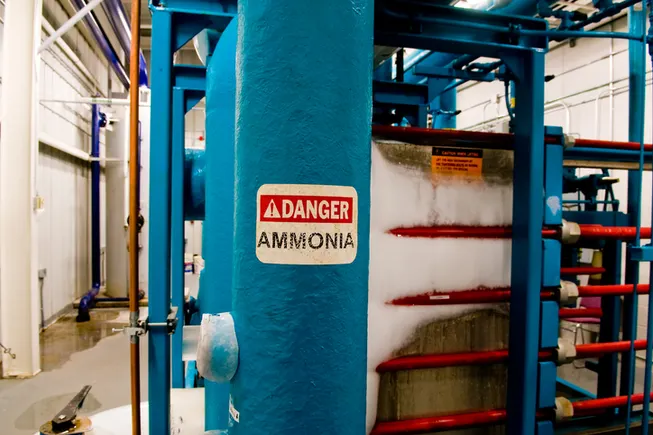
Adding protective layers to system diagrams can reduce the risk of industrial refrigeration failures
Industrial ammonia refrigeration systems ensure food safety but also carry high risks. A Cargill engineering manager proposed the LOOP-BAR framework, which directly overlays safety protection layers on system diagrams, enabling operations, maintenance, and engineering teams to share the same safety view and reduce potential hazards.
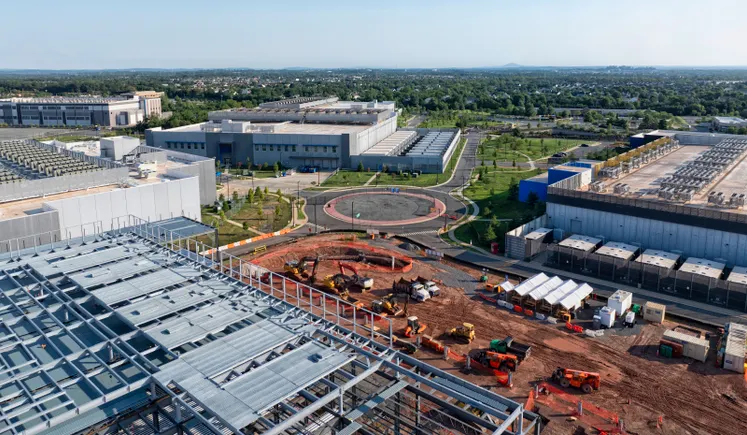
Data centers are not a burden on the power grid: reasonable electricity pricing mechanisms can turn load into resources
The energy debate surrounding data centers often overlooks their potential value. Modern data center loads are highly predictable, cooling systems are adjustable, and they possess backup power and cross-regional load migration capabilities. By designing reasonable electricity pricing mechanisms, such as interruptible load pricing, real-time pricing, and virtual power plant compensation, data centers can enhance grid resilience. Meanwhile, contractual safeguards such as minimum contract terms, exit fees, and credit requirements can prevent cost shifting. Utilities need to invest in analytical platforms to iteratively optimize electricity pricing design and balance the interests of all parties.
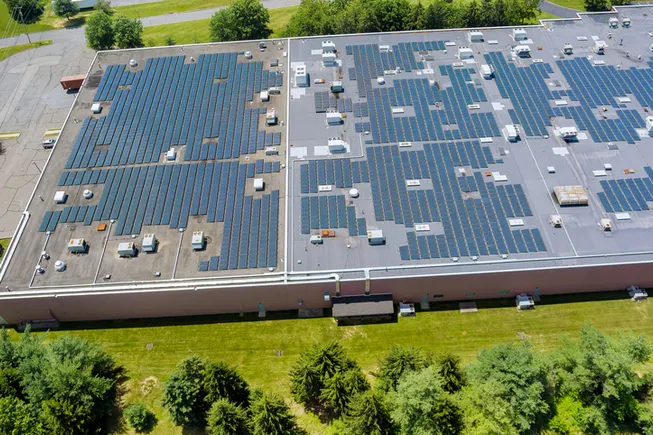
Commercial and Industrial Solar Tax Credit Window Nears Closure, Owners Need to Decide Quickly
Affected by the "One Big Beautiful Bill," the conditions for obtaining the federal solar investment tax credit (ITC) have been tightened into two paths: starting construction before July 4, 2026, or completing and connecting to the grid before December 31, 2027. Missing this window will significantly worsen the economics of solar projects, and owners need to quickly evaluate options such as rooftop or land leases, power purchase agreements, and self-built systems.
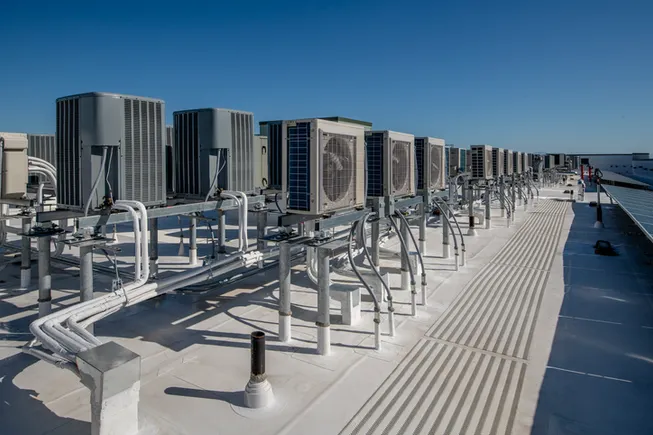
How Heat Pump Technology Is Reshaping the Future of High-Performance Facilities
Heat pump technology is becoming a key pathway for decarbonization and energy savings in high-performance facilities such as hospitals, airports, and schools. By transferring heat rather than burning fuel, heat pumps can significantly improve energy efficiency, reduce operating costs, and support multiple application scenarios. Despite challenges such as high initial investment and insufficient market awareness, with technological advancements and policy support, heat pumps are expected to become a core solution for building electrification in the future.
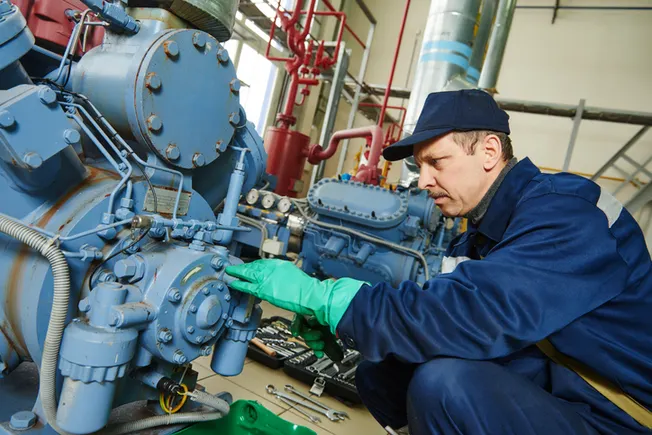
Bridging the Communication Gap Behind Refrigeration System Failures
Ammonia is a cornerstone of food processing and cold chains, but even well-managed facilities can encounter issues when operational information fails to reach the right people in a timely manner. Through a typical case study, this article analyzes the prevalent communication gaps within refrigeration teams and introduces a three-step escalation model implemented by Cargill. By clearly defining anomalies, establishing a single escalation point, and implementing a 24-hour response mechanism, this model significantly enhances system safety and performance.

Worker Protection in Data Center Expansion: The Critical Role of Emergency Safety Shower Equipment
Data center operators are pursuing 'lights-out' minimally staffed environments, but on-site maintenance remains indispensable. In high-density, high-energy facilities, chemical and mechanical risks increase with scale. Emergency safety shower equipment can mitigate injuries at critical moments, but it requires proper selection, reasonable placement, and regular testing. This article outlines the main hazard sources, compliance requirements, and best practices within data centers.

Sensor Data: The Key to Unlocking AI Investment Returns
According to the latest JLL report, the AI pilot rate in the real estate industry has surged from 5% to 92% in three years, but only 5% of surveyed companies report achieving a return on investment. This article points out that current AI pilots commonly lack critical data—the human experience within buildings. Through physical AI technologies such as thermal sensors, companies can capture space usage data without infringing on privacy, thereby optimizing office design, improving space utilization, and ultimately realizing the true value of AI investments.

Technology-Centric Workplace Strategy: From Network Intelligence to Human-Machine Collaboration
The workplace is undergoing a transformation driven by digital technology, employee expectations, and the demand for flexible work. Bob Cicero, Head of Future Workplace at Cisco, points out that networks have become the digital backbone of intelligent buildings, data-driven insights are reshaping real estate strategy and facility management, and AI is accelerating the move toward autonomous office environments with human-machine collaboration.

Treating project design support as an ongoing operational effort
In the current context of hybrid work and cost pressures, facility managers often miss decision windows due to delays in design processes such as test layouts. Ryan Elder, head of Facility Systems, Inc., proposes a "DesignOps" mindset: treating design support as a continuous service layer similar to IT or HR, rather than a one-off project accompanying construction. By delivering layouts on a daily basis, providing on-call design support, standardizing drawings, and integrating with IWMS tools, companies can significantly compress decision cycles and gain an edge in leasing and construction.
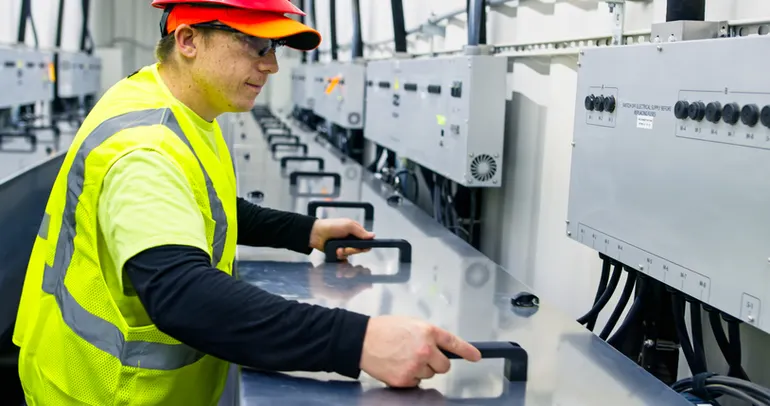
How Facility Management Improves Data Center Performance per Watt
Cooling systems account for up to 40% of data center energy consumption, and liquid cooling technology can significantly improve performance per watt (PPW). This article explores the advantages, implementation paths, and cost-effectiveness of immersion and direct-to-chip cooling.