
2025 Hoteliers Must Prioritize ICE Enforcement Preparedness
ICE enforcement actions in the U.S. exacerbate the hotel industry's already severe labor shortages and affect guests' sense of security. This article proposes three key preparations: clarifying the division between public and private spaces, conducting team rights training, and publicly visible rights notification measures, to help hotels reduce risks within a legal framework.
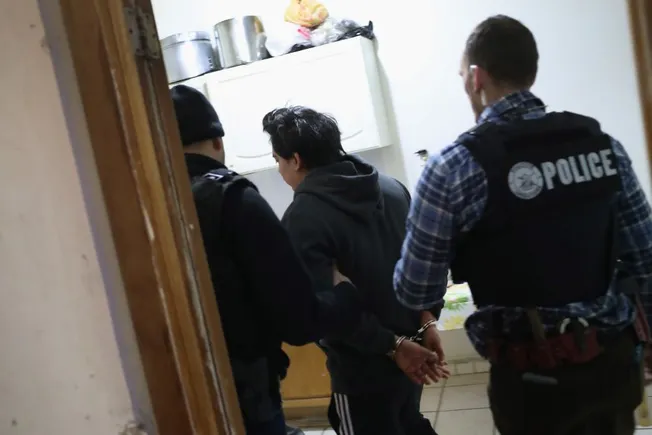
U.S. Immigration and Customs Enforcement (ICE) enforcement actions nationwide are not just news events for hotel operators, but a real threat to the daily operations of more than 64,000 hotels across the United States.
According to data from the American Hotel & Lodging Association (AHLA), one-third of the approximately 8 million employees in the hotel and lodging industry are immigrants. ICE enforcement actions not only directly reduce the workforce through detention and deportation, but also create a climate of fear that causes employees to avoid coming to work, thereby exacerbating the industry's already chronic labor shortage.
The above situation is sufficient to prompt owners, operators, and brands to prioritize tools and training resources to enhance the ability of property teams to prevent ICE raids where possible. However, in discussions about businesses encountering immigration enforcement, another key perspective is often overlooked: guests also need to feel safe.
Regardless of where travelers come from or where they are going, they should be welcomed—this attitude is the core spirit of the hospitality industry. Immigrants make up nearly 14% of the U.S. population; with enforcement actions targeting both documented and undocumented immigrants, the responsibility to ensure guests and teams feel safe falls on hotel operators.
This is not about appearances or performative politics, but about the fundamental right protected by the Fourth Amendment of the U.S. Constitution against unreasonable searches and seizures, and also about whether hotels can achieve sound operations.
Prioritize clarifying the division between public and private spaces
Anyone, including ICE agents, can enter the public areas of a business. For hotels, public areas typically include the lobby, dining venues, and possibly hallways on guest room floors.
Operators should consider which areas may need to be designated as private spaces to minimize disruption to guests and employees. These can be achieved through operational adjustments rather than physical infrastructure investments. For example: Should additional door locks, intercoms, access codes be installed, or should employees be required to open doors for potential visitors? Should hotels require guests to use room keys to enter the lobby after certain hours? Access protocols for doors separating private and public areas should be reviewed; where conditions allow, these doors should remain locked when public entrance doors are open.
It is also worth checking whether agents might enter private areas of the hotel through public spaces. For example, in restaurant scenarios, agents sometimes enter through exit doors near trash bins.
Promote team training
Preparation is crucial when facing ICE enforcement actions. Just as hotel operators prioritize training employees for emergencies such as fire drills and human trafficking crises, knowing real-time response measures is essential to protecting all involved.
Given the industry's prevalent lean staffing models, every employee at the property level should understand their own rights as well as the rights of colleagues and guests. This will help minimize employee risk and reduce disruption to guests when ICE agents arrive.
Any training should cover protocols for raids, I-9 audits, or other interactions with federal agents. It should be determined who will communicate with agents—whether a team member or legal counsel. Ensure that person knows to require badges, identification, and a copy of the warrant before allowing entry into private spaces, and can verify their legality. A method for notifying the team when ICE agents arrive should also be selected.
Additionally, training should include how to protect team members and guests without putting anyone at legal risk. Teams can restrict access to private areas until designated personnel arrive. Everyone has the right to remain silent and request legal counsel; employees and guests are not required to surrender identification or documents to agents. They can inform those present that federal agents have arrived and disseminate information on how employees and guests can uphold their Fourth Amendment rights. They are not required to consent to searches and have the right, with an attorney present, to request a warrant signed by a judge.
Equally important is understanding the steps to take after agents leave the property. Preserve all security footage. Record the number of agents, how they were dressed, whether they were armed, and whether anyone was mistreated or implied they could not move or leave. If arrests occur, compile a list and immediately notify families, and unions if applicable. Assist families with urgent financial and legal needs. Understand what steps employers can take to help detained employees. In the event of an I-9 audit, clarify which documents need to be provided and when.
Make efforts visible, public, and clear
Prominent notices should be posted in guest-visible areas stating that the hotel will not cooperate with illegal searches. Upgrade signage to clearly mark private areas, whether guest-facing areas or back-of-house employee areas such as kitchens and housekeeping. Consider placing "Know Your Rights" materials in easily accessible locations for guests. Prepare materials in multiple languages for both team members and guests, and ensure they are readily available at all times.