
ASCE 24-24 New Regulations: Building a Stronger Flood Safety Baseline with Stricter Standards
ASCE 24-24 brings the most transformative updates since its initial release in 1998: a significant expansion of the regulated floodplain, building minimum flood elevation requirements tiered by flood design class, dry floodproofing products required to pass ANSI/FM 2510 performance testing, and new requirements for annual inspections, maintenance, and deployment drills. These changes stem from lessons learned from recent hurricane disasters, aiming to break the cycle of 'rebuild and flood again.'
Tom Little is the President and CEO of Floodproofing.com. As a Certified Floodplain Manager, Little has served on the committee that developed the ASCE 24-24 standard. This article reflects the author's own views.
Nature continually reminds us of its power, often challenging our understanding and resilience. To protect America's residential, commercial, and critical infrastructure, we must adapt to its unpredictability.
This is the starting point forthe American Society of Civil Engineers' Flood Resistant Design and Construction Standard(ASCE 24-24), the latest and most transformative revision since its first release in 1998.
ASCE 24-24, published earlier this year, includes 29 changes compared to the previous version released in 2014. These are not simple technical adjustments to the standard's wording, but significant shifts in floodplain design and construction methods based on the lessons nature has taught us over the past decade.

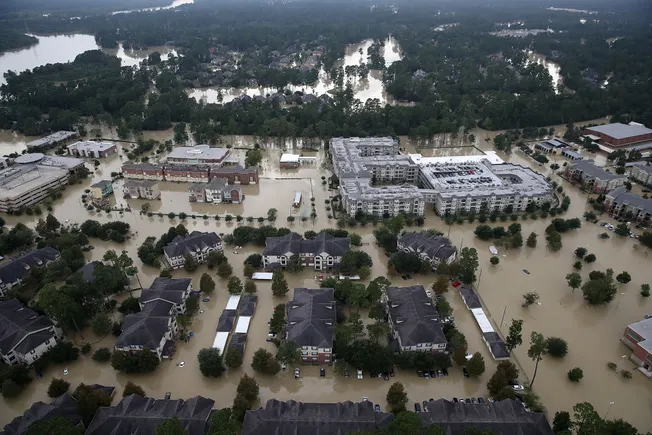
One of the most significant changes is in the definition of the regulated floodplain. ASCE 24-24 significantly expands the regulated floodplain from the 100-year floodplain to the 500-year floodplain, and design and construction requirements now apply to these broader areas. This decision was not arbitrary on the part of the committee that developed ASCE 24-24 (of which I am a member), but rather based on field experience and lessons learned from hurricanes such as Harvey, Ida, and Ian.
Another major change in the standard involves elevation requirements. The new standard establishes minimum flood elevation requirements for buildings within floodplains based on the Flood Design Class.
These requirements increase incrementally based on the type of building being constructed, ranging from the 100-year elevation to the 1000-year elevation. For example, a single-family home has lower elevation requirements than a school or hospital. This provides stronger protection for critical infrastructure that is essential for restoring normalcy to communities after major floods.
Performance testing for dry floodproofing solutions is another significant change in ASCE 24-24. Now, dry floodproofing products must undergo rigorous testing and meet the minimum performance standards specified in the American National Standard for Flood Protection Equipment (ANSI/FM 2510) to be used in floodplain design.
This will ensure that active and passive dry floodproofing barriers and other dry floodproofing solutions can withstand the hydrostatic pressure of floodwaters as well as the debris impact commonly found in floods.
Hard Lessons Drive Standard Updates
As the industry continues to evolve, it is encouraging to see a growing emphasis on engineered, tested, and certified solutions. Companies that invest in performance, compliance, and innovation are helping to raise the industry bar and build market trust, setting a clear benchmark for what reliable flood protection should achieve.
Another lesson from past floods reflected in ASCE 24-24 is the requirement for annual inspection, maintenance, and deployment exercises for dry floodproofing solutions. Members of the ASCE 24-24 standards committee frequently hear reports of buildings equipped with dry floodproofing solutions being damaged during storms because these solutions were not properly deployed, and in some cases, not deployed at all.
Annual inspection and maintenance of dry floodproofing solutions such as flood barriers ensure they are in proper working condition; regular deployment exercises help ensure that building maintenance personnel are adequately trained and practice deploying these solutions before a storm arrives.
In a related change, the updated standard clearly states that if dry floodproofing measures require human intervention to activate or implement, a flood warning system must be provided to notify personnel responsible for deployment 12 to 36 hours in advance, depending on the building's Flood Design Class.
The High Cost of Weak Building Codes
These are just some of the more significant updates in the ASCE 24-24 standard. There are many more changes aimed at helping to mitigate damage from severe floods and protect America's critical infrastructure.
The new standard has faced some resistance, particularly from the residential building industry, which argues that stricter standards will drive up construction costs and make housing less affordable.
I fully understand and sympathize with this concern, but our nation has fallen into a continuous cycle: homes are destroyed by floods, then rebuilt on the same land to the same outdated standards. This cycle ultimately costs homeowners—and the country as a whole—more than adopting the new standards.
There is no doubt that we will learn more lessons from nature's fury in the coming years, but with these new standards, we can make significant progress in building stronger, more resilient communities, taking an important step toward breaking the costly 'disaster-rebuild' cycle our nation is currently trapped in.