
How the Hospitality Industry Should Respond to ICE Raids: Compliance Preparation and On-Site Handling Guide
Following President Trump's executive order, ICE raids are expected to increase. The hospitality industry, where undocumented immigrant employees account for over 7% of the workforce, urgently needs to develop response plans. Written by experts from Mandelbaum Barrett PC law firm, this article guides hotel owners on how to manage I-9 forms compliantly, designate specific personnel to liaise with ICE, define public and private area access, and train employees to respond rationally while avoiding risks of discrimination and obstruction of enforcement.
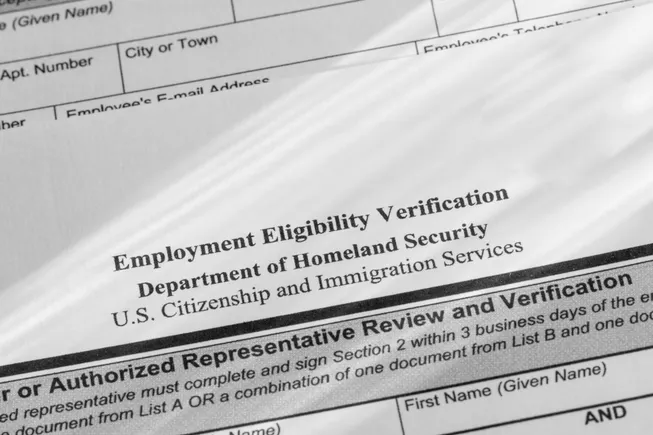
This article is a guest contribution authored by Damian Conforti, Brent Pohlman, and Frank Custode of the law firm Mandelbaum Barrett PC. Conforti is a partner and co-chair of the firm's hospitality services practice; Pohlman and Custode are both partners in the labor and employment practice. The views expressed herein are solely those of the authors.
According to data from the American Immigration Council, in 2023 the hospitality industry was the third-largest employer of undocumented immigrants in the United States, with more than 7% of its workforce—over 1 million workers—falling into the undocumented category.
With President Trump signinga January executive order, raids by Immigration and Customs Enforcement (ICE) are expected to increase. Therefore, hotel owners and managers must be clear about their rights, obligations, and best practices.
Impact on hospitality employees, owners, and management
Trump's executive order sets new enforcement policies for the Department of Homeland Security (DHS), directing it to prevent illegal entry and unlawful presence by restricting humanitarian parole, Temporary Protected Status, and work permits. As a result, undocumented immigrants without registered status in the U.S. may face civil and criminal penalties.
However, hospitality employers have always had an obligation to maintain I-9 forms and verify the identity documents and work authorization of all employees. Trump's executive order further emphasizes this requirement.
Importantly, hotel employers must verify each employee's documents either through DHS-authorized remote procedures or in person. Additionally, owners should proactively train managers on I-9 form compliance, and managers should retain employee records for three years from the date of hire or one year after separation, whichever is later. Management should also designate a team to conduct self-audits of each workplace.
But hotel employers should not request more documents than required to verify employment eligibility, nor should they discriminate based on an employee's national origin, citizenship, or immigration status. Such actions violate federal and state laws and may expose employers to fines or penalties.
Responding to ICE raids
ICE, as a subagency of DHS, is responsible for enforcing U.S. immigration laws, including conducting unannounced "raids." Since ICE agents do not need a warrant to conduct such inspections, it is critical for employers to have a clear, written crisis management response plan to protect both the business and employees.
Hotels should designate a company representative at each location who has been trained on ICE interactions, and only that representative should engage with ICE agents. Front desk staff or receptionists should be trained to immediately contact the designated company representative when ICE agents arrive.
Subsequently, the designated representative should ask agents to present credentials to verify their ICE identity and obtain copies of any warrants. The representative should also inform agents that company policy requires contacting company leadership and legal counsel (if necessary) to review the warrant, and prohibits warrantless searches of private areas. At the same time, the representative should immediately call an attorney.
Understanding the scope of a raid is crucial. ICE agents may enter public areas of a business without permission—areas any customer can access, such as lobbies, waiting areas, restrooms, and dining areas. If ICE agents encounter employees in public areas, those employees are not obligated to speak with the agents.
However, a valid judicial search warrant gives agents the legal right to enter non-public areas of the hotel and inspect documents specified in the warrant. If such a situation occurs, stay organized: know where documents are kept—typically including wage and hour records, I-9 forms, and employee identification—and provide only the documents requested by the warrant.
You have the right to follow agents and document their actions, whether through notes or video recording.
Best practices for employee preparedness
If you own or manage a hotel, you should train employees on how to interact with ICE agents. You can inform employees that they have the right to choose whether to speak with ICE agents or to request an attorney be present before speaking.
But never instruct employees to be uncooperative or refuse to answer questions, and do not help employees evade law enforcement or leave the premises during a raid.
Employees should be instructed to carry copies of their documents and ensure those documents are valid.
Raids can last for hours. If you know an employee has special issues (such as medical or family hardships), you should raise them with ICE agents and request cooperation to accommodate their needs.
The investigation does not necessarily end when ICE leaves the hotel. Items seized during a raid will be reviewed, and the investigation process may last for months. Being fully prepared will enable your team to respond quickly to subsequent developments.