
Safety Concerns of Ammonia Refrigerants: The Cost the Industry Needs to Face
Although ammonia refrigerants offer advantages in energy efficiency and climate impact, their toxicity, corrosiveness, and accident consequences are often underestimated. This article outlines the multiple risks of ammonia leakage to human health, community safety, corporate economics, and the ecological environment, and points out that advanced climate technologies (ACTs) can serve as safer alternatives.
Jordan Smith is the Executive Director of the global Forum for Advanced Climate Technologies (globalFACT), an industry coalition dedicated to promoting advanced climate technologies.
While industry has made significant progress in protecting the environment and advancing a sustainable future, we must be honest about the trade-offs and unintended consequences in facility management. The unfortunate reality is that progress in one area can pose risks or cause setbacks in another.
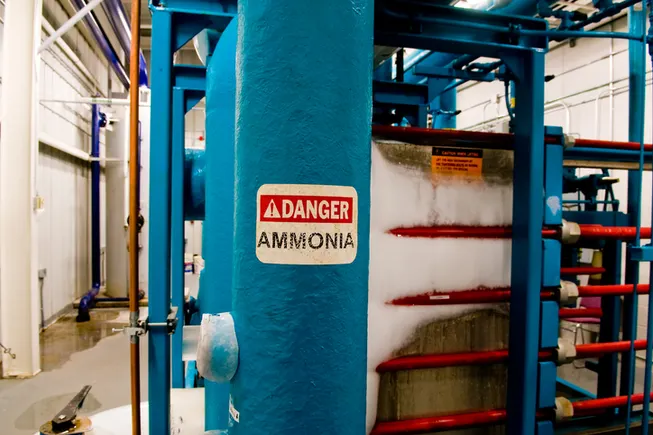
A prime example in the facilities industry is the use of ammonia as a refrigerant. Like other refrigerants, ammonia provides cooling by absorbing heat as it changes from a liquid to a gas. But unlike conventional refrigerants, ammonia is highly toxic and corrosive, posing unique and significant hazards to human health. It can cause severe burns, irritate skin and eyes, and if inhaled or ingested, lead to asphyxiation, respiratory distress, and potentially fatal breathing difficulties.
Even low concentrations of ammonia in the air can be life-threatening. Dr. Arch Carson, an adjunct professor at the University of Texas Southwestern Occupational and Environmental Health Center, told CNN in an interview about ammonia leaks at meat processing facilities that ammonia "sucks the water out of anything it touches," and those exposed "can die within seconds to minutes."
From food production plants to ice rinks and schools, frequent and high-profile leaks have sounded the alarm about ammonia's dangers. As recently as June, an ammonia leak at a greenhouse in California sent two workers to the hospital. Victims of ammonia leaks often suffer long-term chronic health issues that impair their ability to work. Surrounding communities may receive shelter-in-place orders due to ammonia leaks, causing significant disruption to local residents and businesses.
Ammonia incidents also carry far-reaching economic impacts. A notable example is the 2017 explosion at a food processing plant outside Chicago, where an ammonia leak caused up to $30 million in facility damage. Another case is the 2019 ammonia leak at a Houston food bank, which contaminated nearly $3 million worth of food. In 2021, an ammonia leak at the Duluth, Minnesota convention center led to substantial fines, and operational reviews are expected to result in millions of dollars in equipment replacement and retrofitting costs.
Ammonia refrigeration advocates often focus on its low global warming potential, yet seem to overlook its potential health impacts. Its environmental effects are equally concerning. For example, when ammonia dissolves in water, it forms ammonium hydroxide, which is harmful to aquatic life even at low concentrations.
The Environmental Defense Fund notes that ammonia leaks can be more harmful to fish than oil spills, leading to reductions in ammonia-sensitive species, physiological effects, and even mass mortality. Despite efforts by agencies such as the U.S. Environmental Protection Agency, the Occupational Safety and Health Administration, Environment and Climate Change Canada, and the International Institute of All-Natural Refrigeration to develop regulations protecting operators, other employees, and surrounding communities from the potential hazards of working with toxic chemicals like ammonia, these incidents remain concerning.
Fortunately, facilities have multiple alternatives to ammonia for their refrigeration needs. One category of solutions is advanced climate technologies (ACTs), including low-GWP hydrofluorocarbons, hydrofluoroolefins, and their blends. Because ACTs have low flammability and low toxicity, they are safer than ammonia for technicians, facility occupants, and the environment. They maintain or improve energy efficiency, cost-effectiveness, and flexibility while significantly reducing overall climate impact, and are easy to deploy across a wide range of applications and climate conditions.
Progress toward sustainability depends on honest, comprehensive evaluations of new products and technologies. Any assessment of ammonia must consider the dangers it poses to people, communities, businesses, and the very environment it is intended to benefit. By striving to balance the need for sustainable products with an unfiltered consideration of their potential limitations and consequences, we can adopt truly innovative solutions that advance environmental goals while protecting public health and safety.