Deep Dive
来自我们记者的行业洞察

Rethinking Office Space: Employee Preferences and Future Work Models
Employee preferences for remote versus in-office work show complex divergence. How can companies balance needs through communication and space design? This article, based on data from organizations like Owl Labs and expert opinions, explores the future path of hybrid work.
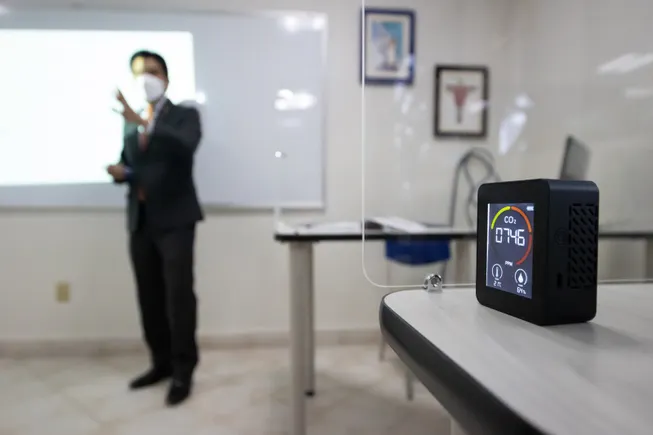
The economic returns of improving indoor air quality can offset upgrade costs and enhance building energy efficiency
The facility management industry is facing multiple challenges related to indoor air quality, energy efficiency, and decarbonization goals. Experts from the American Lung Association, Johnson Controls, and the International WELL Building Institute state that improving indoor air quality is not only about health but can also generate significant economic benefits through increased productivity, rental premiums, and tax incentives, helping to offset retrofit costs.

Technology, Sustainability, and Benchmarking: Three Pillars for Optimizing Healthcare Facility Performance
Healthcare facility managers are confronting multiple demands, including improving patient care, enhancing operational efficiency, advancing sustainable development, and ensuring financial performance. Experts point out that technological upgrades, sustainability concepts, and benchmarking must become core priorities, and only through their synergy can more efficient and cost-effective operations be driven. This article is the third in a series, synthesizing practical insights from leaders at EY, Trinity Health, Cape Fear Valley Health Systems, and JLL.
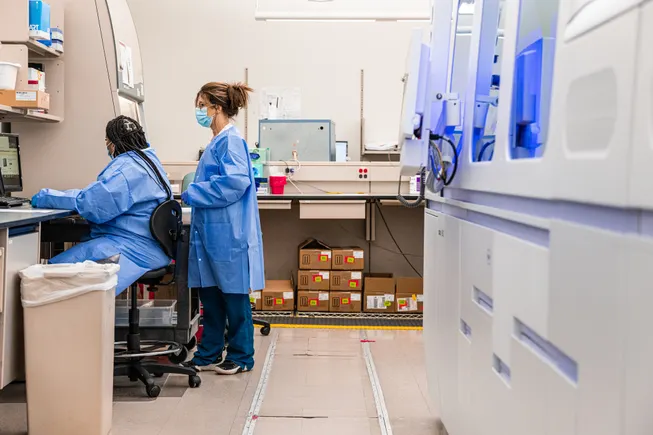
Healthcare facility managers struggle to balance technological, spatial, and workforce challenges
Healthcare facility managers struggle to balance technological, spatial, and workforce challenges. This is the second article in a series, focusing on key issues in hospital and outpatient facility management: maintenance of aging equipment, infection prevention and control, workforce shortages, and technology adoption. Experts point out that urgent issues such as equipment aging, insulation deficiencies, and talent shortages need to be addressed, and data-driven approaches and AI technology may be key to breaking the deadlock.
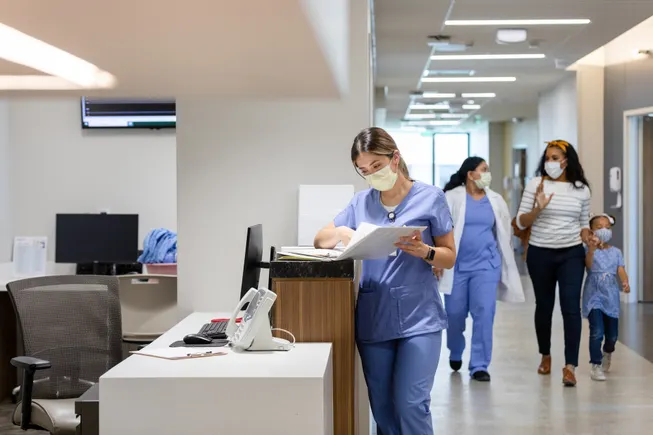
Hospital facility teams face dual pressures of funding constraints and decarbonization challenges
Facility managers at hospitals and outpatient clinics are facing the dual challenges of limited capital access and decarbonization requirements. Healthcare spending is projected to reach $7.2 trillion by 2031, but facility departments struggle to secure funding because they do not directly generate revenue. Meanwhile, healthcare organizations must address approximately 8.5% of U.S. greenhouse gas emissions and comply with new regulations such as the HHS Climate Pledge. Experts suggest mitigating these pressures through early involvement in planning and utilizing third-party energy services.

HUD Commercial-to-Residential Conversion Grants May Create More Facility Management Jobs
The U.S. Department of Housing and Urban Development (HUD) recently issued a Notice of Funding Opportunity (NOFO) providing research grants of up to $860,000 for commercial-to-residential conversion projects, to compile conversion case studies since the COVID-19 pandemic and explore how policies, subsidies, and incentives can enhance the economic viability of such projects. Industry experts believe this initiative is expected to accelerate adaptive reuse processes, create more job opportunities for facility managers, and drive the industry toward a low-carbon, efficient transformation.