
Deep Dive
来自我们记者的行业洞察

2025 Data Center Cooling Technology Outlook: Two-Phase Liquid Cooling, Hybrid Cooling, and Northern Site Selection Take Center Stage
Data center cooling experts predict that in 2025, two-phase direct-to-chip cooling will enter the implementation phase, hybrid cooling solutions will expand but be constrained by supply chain risks, building and system designs will need to adapt to high-density AI loads, retrofits of existing facilities will proceed slowly, and cooler northern regions will gain more attention due to natural cooling advantages.

Six Major Trends in Facility Management for 2025
With the Federal Reserve gradually cutting interest rates and office policies becoming clearer, the facility management market will see more certainty in 2025. However, uncertainties in energy, labor, and tax policies after the Trump administration takes office, as well as the surge in AI-driven data center electricity demand and the persistent shortage of skilled labor, remain major tests for the industry. Based on industry reports and expert interviews, this article outlines six major trends that facility managers need to focus on in 2025.

C-PACE financing can reduce the cost of energy efficiency retrofits—but it depends on where the project is located
Commercial Property Assessed Clean Energy (C-PACE) financing is becoming an important tool for owners and operators to fund sustainability retrofit projects. This article analyzes its advantages, state-by-state progress, and obstacles through multiple case studies and expert opinions.
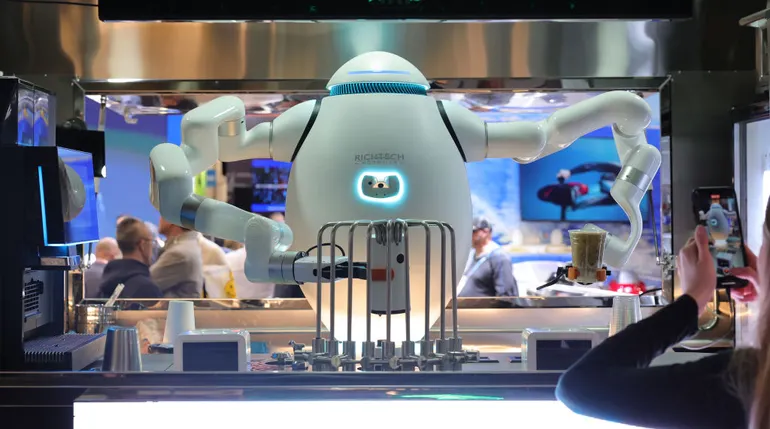
Current Hotel Union Fight Focuses on Pay, Next One May Be About Technology
At CES 2024, robot demonstrations attracted attention, but the culinary union delegation focused on their threat to employment. The current hotel strike centers on wages, but experts believe technology will be key in future negotiations. Union contracts already include technology protection clauses but do not restrict technology deployment. Automation is costly and its effectiveness is uncertain, making it unlikely to replace human labor in the short term, but optimizing employee experience through technology may become a trend.


Beyond School Colors: How College Town Hotels Attract Guests with Unique Experiences
College town hotels are crafting distinctive lodging experiences through immersive design, community engagement, student staff, and sustainable practices. Brands such as Graduate by Hilton and Charlestowne Hotels navigate enrollment fluctuations and shifting demand by exploring flexible operations and deep partnerships.

OSHA's Proposed Heat Rule Could Reshape Manufacturing Workforce and Production Scheduling
Data from the U.S. National Centers for Environmental Information shows that the average daytime maximum temperature across the U.S. in June this year was 84.6 degrees Fahrenheit, 3.3 degrees higher than the 20th-century average. Against this backdrop, OSHA proposed a heat protection rule on July 2, covering approximately 36 million indoor and outdoor workers. The rule requires manufacturers to establish heat injury and illness prevention plans, including 15-minute rest breaks every two hours at 80 degrees Fahrenheit, training, and recordkeeping. OSHA estimates compliance costs at $7.8 billion. Experts advise companies to prepare proactively rather than relying on the hope of judicial challenges.
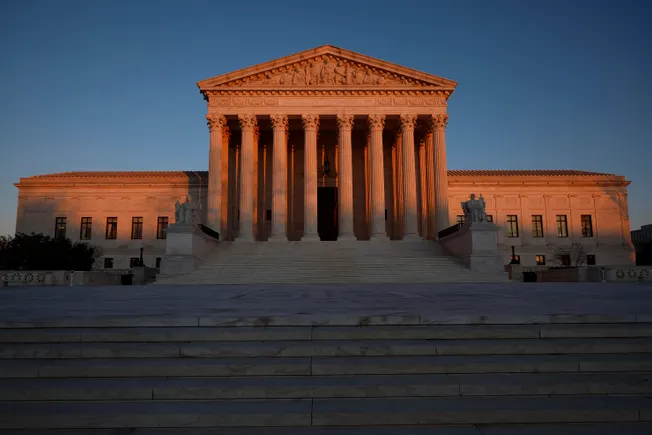
Regulatory Trends Employers Should Watch After the End of the Chevron Doctrine
After the U.S. Supreme Court overturned the Chevron doctrine on June 28, federal courts have begun applying new standards to review Department of Labor regulations. A Texas judge was the first to cite the ruling to question overtime rules, but the nationwide impact will take time to unfold. Experts note that in the long term, agencies may craft rules more cautiously, and employers should continue to comply with existing regulations while engaging in rulemaking through public comments and legislative communication.

Texas, Florida, and Phoenix Heat Regulations Face Tests
Memorial Day in the United States marks the start of summer, but heat poses health risks to outdoor workers. Texas and Florida have passed laws prohibiting local governments from mandating that employers provide water breaks, while Phoenix requires contractors to develop heat safety plans. OSHA is advancing a federal heat standard, but enforcement still relies on the General Duty Clause.
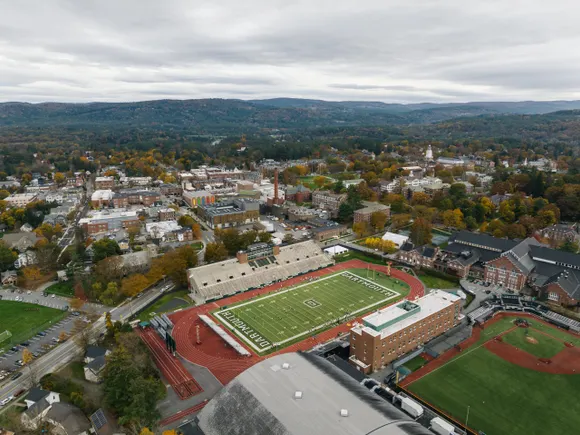
Dartmouth College Invests $500 Million to Decarbonize Campus Heating System
Dartmouth College announced a $500 million investment to upgrade its campus heating infrastructure, transitioning from a steam system to a hot water system, expected to improve energy efficiency by 20% and support goals of reducing emissions by 60% by 2030 and achieving carbon neutrality by 2050. This investment accounts for one-quarter of the college's capital improvement plan and is the largest sustainability investment in its history.