
Opinion

Boston BERDO Emissions Reporting Deadline Extended to August 15; Owners Should Act Early to Avoid Compliance Risks
The Boston Building Emissions Reduction and Disclosure Ordinance (BERDO) has extended the annual reporting deadline by three months to August 15, but compliance requirements remain unchanged. Covered buildings must submit verified energy and water data, with late submissions subject to fines of $150 to $300 per day. Experts advise owners to act early and utilize flexibility measures and city resources to achieve compliance.

Demand for Green Spaces Is Reshaping the Office Market
As Generation Z becomes the dominant force in the workplace, their desire for outdoor spaces is profoundly influencing the design and operation of office buildings. Data shows that 88% of Gen Z believe indoor work has a negative impact on mental health, prompting companies to adopt green spaces as a new office benefit. This article explores how green spaces, from design and maintenance to return on investment, are becoming a core element in attracting tenants and enhancing the value of office buildings.
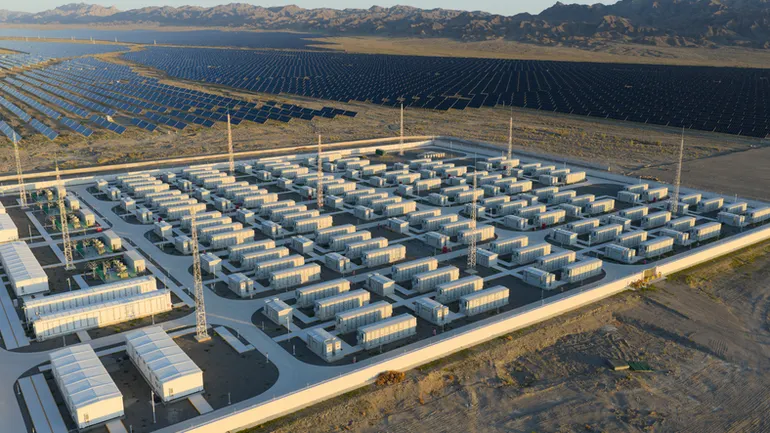
Eligibility for Billions in Battery Tax Credits Depends on FEOC Compliance
New U.S. Treasury guidance (N-26-15) on restrictions for 'Foreign Entities of Concern' (FEOC) will determine which battery projects are eligible for billions in federal tax credits. The new rules elevate FEOC compliance from a policy add-on to a core driver of procurement, financing, and competitive positioning, introducing a 'material assistance cost ratio' as a project-level and product-level determination standard.
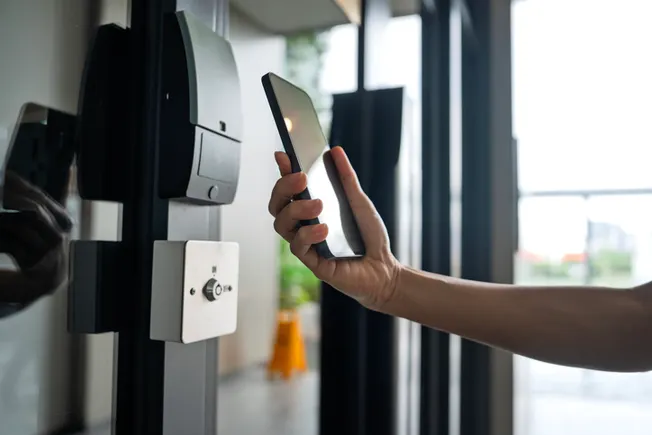
Why the Mobile Access Standard Is Critical to Building Operations
For decades, facility managers and building operators have been trapped by proprietary lock-in in access control systems. The Aliro standard—the first interoperable, non-proprietary mobile credential standard launched by the Connectivity Standards Alliance in February 2026—allows a single credential to be used on authenticated readers from different manufacturers. Kastle became the first company to deploy Aliro-authenticated mobile credentials simultaneously in Apple Wallet, Google Wallet, and Samsung Wallet. This article explores the standard's practical impact on building operations and its path to adoption.

The Biggest Risk Often Overlooked in Cleaning Contracts: Missing Worker Classification Checks
Many facility managers fail to ask suppliers how they classify their workforce when signing cleaning contracts, leading to legal and financial risks that indemnity clauses cannot fully protect against. The article points out that joint employer liability principles, the prevalence of worker misclassification, cost avoidance behind low bids, and limitations of contractual protections all constitute potential risks. The author recommends reducing risks through three checks (W-2 or contractor status, matching of workers' compensation documents, and internal compliance systems).
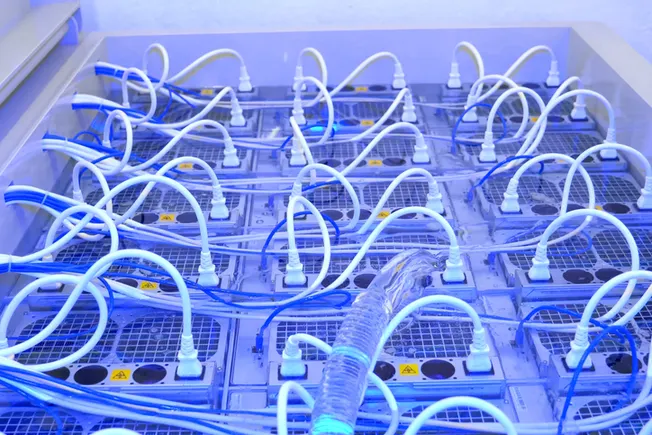
Selection of Immersion Cooling Fluids for Data Centers: Key Considerations for Facility Management Teams
The choice of immersion cooling fluid directly affects data center heat dissipation efficiency, hardware reliability, and long-term operational costs. Based on insights from Dennis Schuetzle, CTO of Infinium, this article analyzes the chemical properties of cooling fluids, main categories, and selection strategies, emphasizing that fluids should be regarded as core infrastructure components rather than simple consumables.
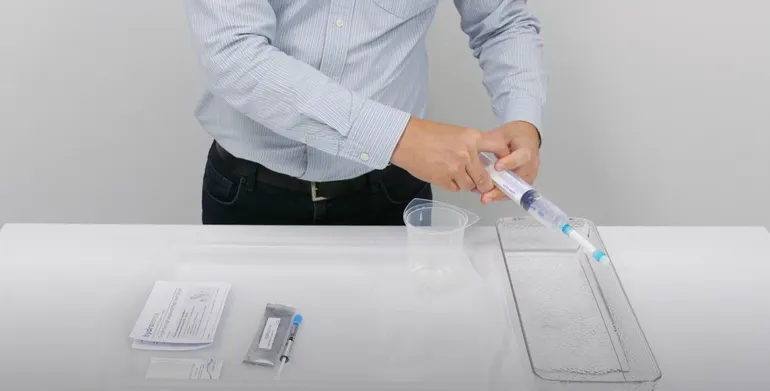
Next-Generation Technologies for Legionella Detection: From Compliance to Proactive Prevention
Legionnaires' disease is on the rise in the United States, and traditional laboratory culture testing has limitations due to delayed results. Facility managers can enhance their ability to prevent and control Legionella through more frequent rapid testing, dynamic water management plans, and ongoing education, moving from compliance to proactive control.
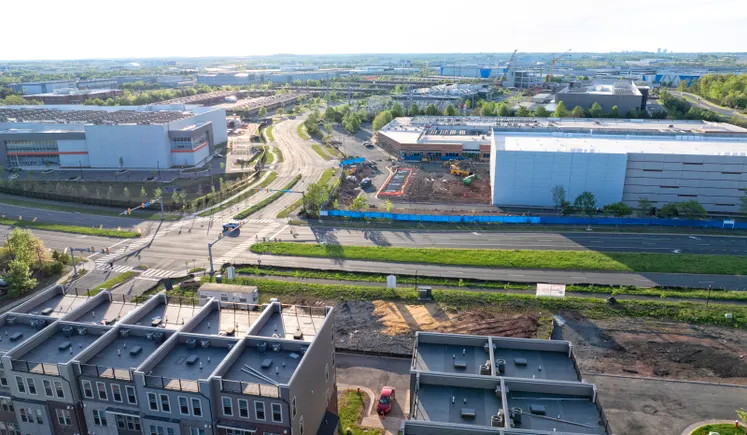
Data centers may need a 'bring your own power' strategy in the future
The AI boom is driving a surge in electricity demand from data centers, but grid expansion is lagging behind. Ameresco CEO George Sakellaris wrote that in the future, large data centers will not be able to rely solely on the grid and will need to adopt a 'bring your own power' model, investing in distributed energy and microgrids to ensure reliable power supply and avoid pushing up residential electricity prices.
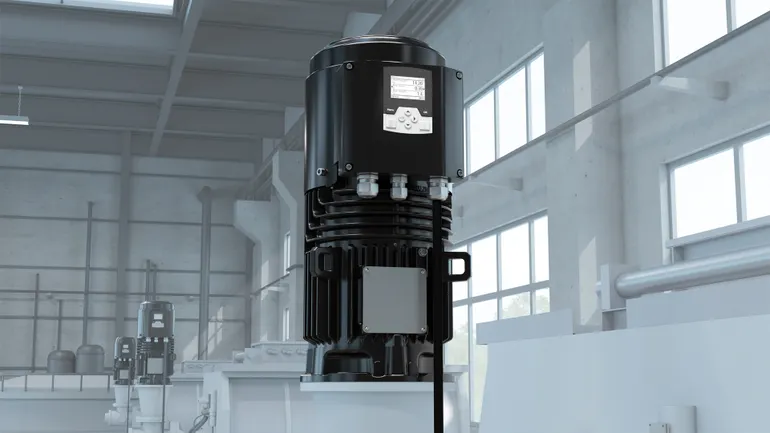
How Variable Frequency Drive HVAC Motors Accelerate Facility Decarbonization
Industrial decarbonization is imperative, and HVAC systems are key. ABB expert Yann Bottoli points out that adopting variable frequency drive motors can significantly reduce energy consumption and carbon emissions. Its LV Titanium motor, with its compact design and plug-and-play features, is helping facilities overcome adoption barriers and accelerate the journey toward net zero.

Why Smart Building Systems Become a Weak Link in Property Security
Over the past decade, digital connectivity in commercial buildings has significantly increased, but access credential management remains manual, making smart building systems a weak link in cybersecurity. An IBM report shows that in 2024, nearly 70% of attacks targeted operational technology and critical infrastructure, with credential leakage being a primary entry point. This article explores access complexity, vendor visibility gaps, and shared login risks, and proposes practical measures such as governance discipline, vendor access control, and multi-factor authentication to strengthen security.