
Opinion
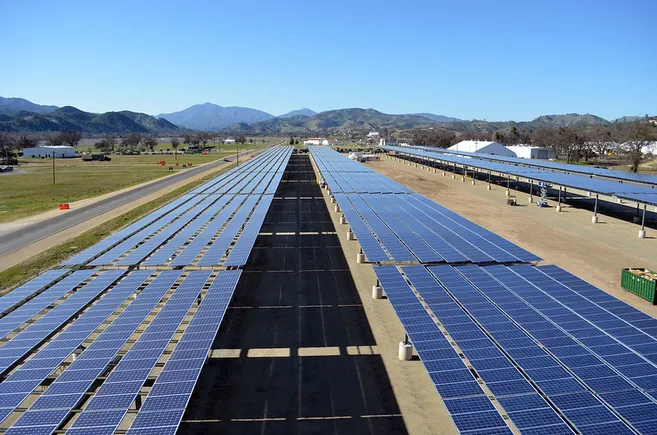
Microgrids: The Key to Enhancing Grid Resilience
In 2024, extreme weather caused over $182 billion in losses in the United States, and 95% of utility leaders are concerned about grid reliability. Microgrids, through distributed energy resources, energy storage, and intelligent control, can flexibly switch between grid-connected and island modes, providing resilience support for critical facilities, communities, and the grid. This article, using case studies and data, analyzes the value of microgrids in addressing environmental and cybersecurity threats and looks ahead to their future integration with AI.
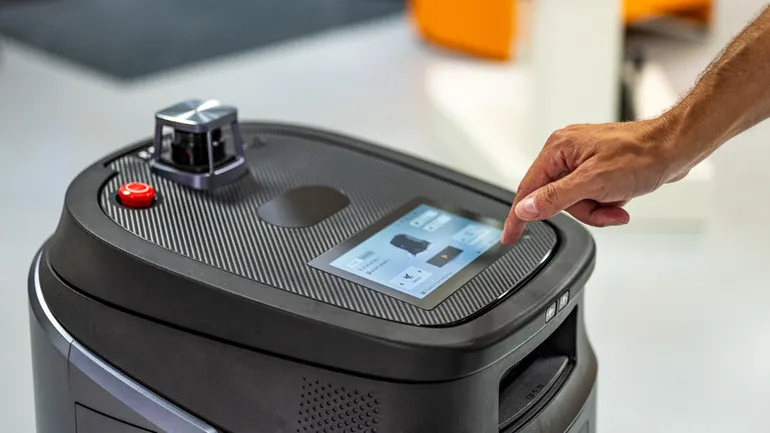
Leveraging intelligent cleaning technology to boost building operational efficiency
First-generation intelligent cleaning technologies (robot vacuums, air quality sensors, predictive maintenance) have transformed facility management, but their limitations are increasingly evident amid usage fluctuations caused by hybrid work. The combination of AI and thermal sensing can provide anonymous, real-time space occupancy insights, helping optimize cleaning schedules, adjust office layouts, and balance energy consumption, thereby extending the return on intelligent cleaning investments and enhancing commercial real estate value.

How the Hospitality Industry Should Respond to ICE Raids: Compliance Preparation and On-Site Handling Guide
Following President Trump's executive order, ICE raids are expected to increase. The hospitality industry, where undocumented immigrant employees account for over 7% of the workforce, urgently needs to develop response plans. Written by experts from Mandelbaum Barrett PC law firm, this article guides hotel owners on how to manage I-9 forms compliantly, designate specific personnel to liaise with ICE, define public and private area access, and train employees to respond rationally while avoiding risks of discrimination and obstruction of enforcement.
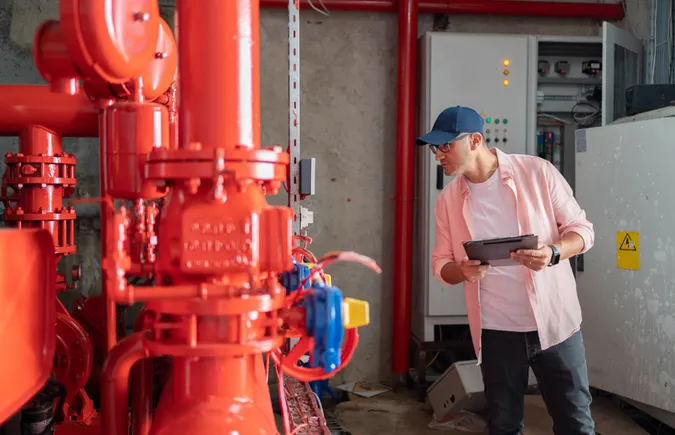
How Inferior Asset Labels Undermine Facility Management
In facility management, the durability of asset labels is often underestimated. When procurement departments select cheap labels to save costs, they may appear functional in the short term, but problems such as unreadable barcodes and label detachment soon arise, resulting in unreliable maintenance records and increased compliance risks. This article uses examples to illustrate why durability is critical, lists common failure modes of low-cost labels, and introduces more durable label materials, recommending that facility managers collaborate with procurement to evaluate label value based on total lifecycle cost.
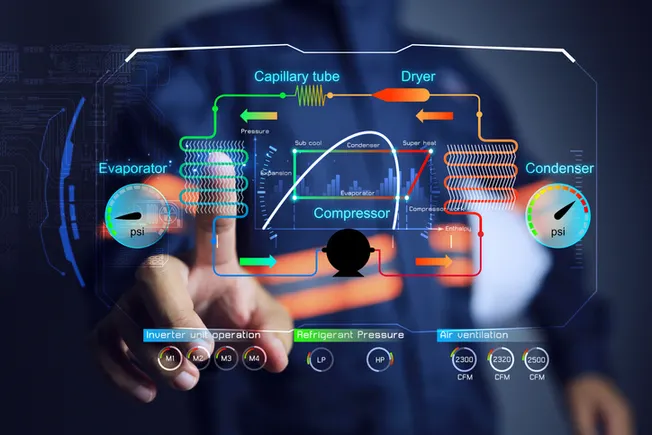
Building Automation Systems: Mastering Evaluation Methods to Unleash Transformative Power
Smart building technology can deliver multiple benefits such as cost savings, space optimization, sustainability, and operational efficiency, but many organizations focus only on a single metric, underestimating its full value. Using indoor air quality monitoring as an example, this article illustrates how to build a more compelling business case by quantifying indirect benefits such as energy savings, carbon reduction, and compliance risk avoidance.
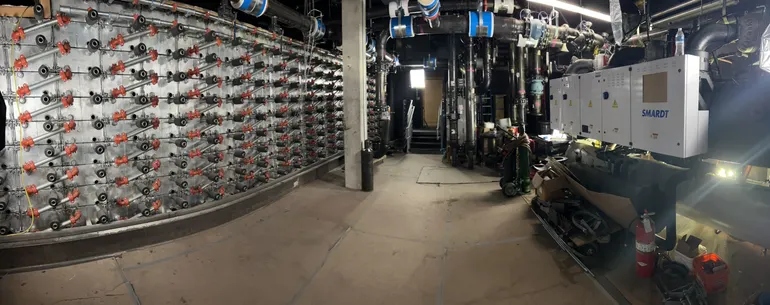
New Approaches to Hotel Energy Efficiency: Cutting Energy Costs Without Sacrificing Quality
The hotel industry has been gradually recovering after the pandemic, but inflationary pressures keep operating costs high, with energy expenses being particularly prominent—air conditioning can account for 40% to 50% of a hotel's total electricity bill. Data from the U.S. National Renewable Energy Laboratory shows that commercial buildings, including hotels, consume 75% of the nation's electricity, with nearly half used for heating and air conditioning. On-site thermal energy storage systems (based on water or ice) can charge during off-peak hours when electricity rates are lower and discharge during peak periods to drive air conditioning, thereby saving on electricity costs. This technology has been applied at the Beverly Hilton and the Waldorf Astoria Beverly Hills, meeting about 40% of their summer peak cooling needs. For hotels that generate their own solar power, thermal energy storage can further extend grid independence. Compared to batteries, thermal energy storage is lower in cost, carries less risk, and is not subject to installation restrictions, making it a viable option for hotels to cope with inflation and cut costs without affecting guest experience.

Analysis of Cybersecurity Risks in Smart Building Technology
Smart buildings achieve interconnection of systems such as lighting and security through IoT technology, but behind the convenience lies an expanding cyber threat surface. In 2023, more than 30 hostile cyber operations were reported, and cyber attacks in 2024 affected hundreds of thousands of IoT devices. From the Target data breach in 2013 to the water treatment plant intrusion in 2021, attackers have exploited vulnerabilities in HVAC systems and automated controls to cause operational disruptions, financial losses, and even safety risks. Facility managers need to adopt multi-layered protection strategies, including regular updates, strict vendor management, employee training, and a zero-trust model, to safeguard building assets and personnel safety.
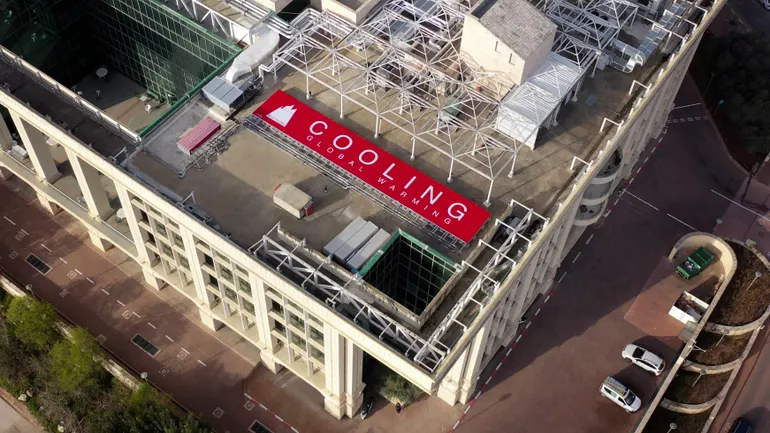
Energy storage systems can help building operators reduce costs despite continued increases in average electricity prices
Commercial building electricity prices in the United States have risen by approximately 20.5% from April 2019 to April 2024, but average prices mask the widening gap between peak and off-peak rates. Peak-hour electricity prices in parts of California are expected to rise by nearly 50% over 20 years, while off-peak prices are expected to fall by more than 50%. Energy storage systems, especially thermal energy storage, can help buildings charge during low-price periods and discharge during high-price periods, reducing electricity bills and shortening the payback period to 3-5 years.
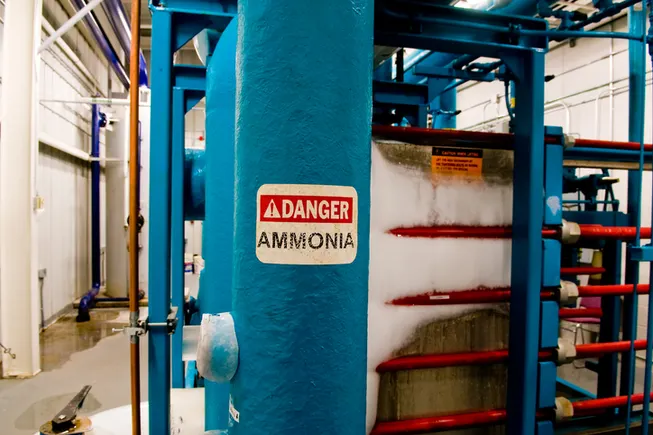
Safety Concerns of Ammonia Refrigerants: The Cost the Industry Needs to Face
Although ammonia refrigerants offer advantages in energy efficiency and climate impact, their toxicity, corrosiveness, and accident consequences are often underestimated. This article outlines the multiple risks of ammonia leakage to human health, community safety, corporate economics, and the ecological environment, and points out that advanced climate technologies (ACTs) can serve as safer alternatives.

U.S. Public Facilities Backlog Maintenance Projects Total Billions of Dollars, Presenting Opportunities for Contractors
Public entities such as cities, school districts, universities, hospitals, and law enforcement agencies across the United States have long faced facility maintenance backlogs, with total upgrade costs reaching billions of dollars. As federal, state, and local funding gradually becomes available, a large number of projects will commence in 2024 and in the coming years, offering broad market opportunities for private-sector contractors.